
Slip off Via Arenula and the traffic noise falls away almost immediately; what's left is a few blocks of travertine and peeling ochre where Rome's Jewish community has been cooking, more or less this same way, since long before the ghetto walls went up in 1555. Follow your nose down Via del Portico d'Ottavia — hot oil, lemon, artichoke leaves crisping at the edges — and you're not chasing a tourist effect but a kitchen that has run on the same logic for two thousand years. This is the one corner of Rome where ordering the local specialty and eating the neighbourhood's actual history are the same act.
The Carciofi Alla Giudia Trail
Carciofi alla giudia — whole Romanesco artichokes, trimmed, flattened, and double-fried until the outer leaves turn the colour and texture of autumn leaves while the heart stays soft — is the dish that put this district on the culinary map, and it's worth understanding why before you sit down anywhere. The technique dates to when the ghetto's Jewish cooks were barred from many trades and leaned hard on cheap, plentiful produce; frying twice at different temperatures was the fix for a vegetable that's otherwise fibrous and bitter. It's also worth remembering the ghetto itself is only as old as 1555, when Pope Paul IV walled the area in; the cuisine survived not just religious observance but three centuries of enclosure before emancipation reopened the gates in 1870. Four kitchens on this list still fry the artichoke as a point of professional pride, and each does it slightly differently.
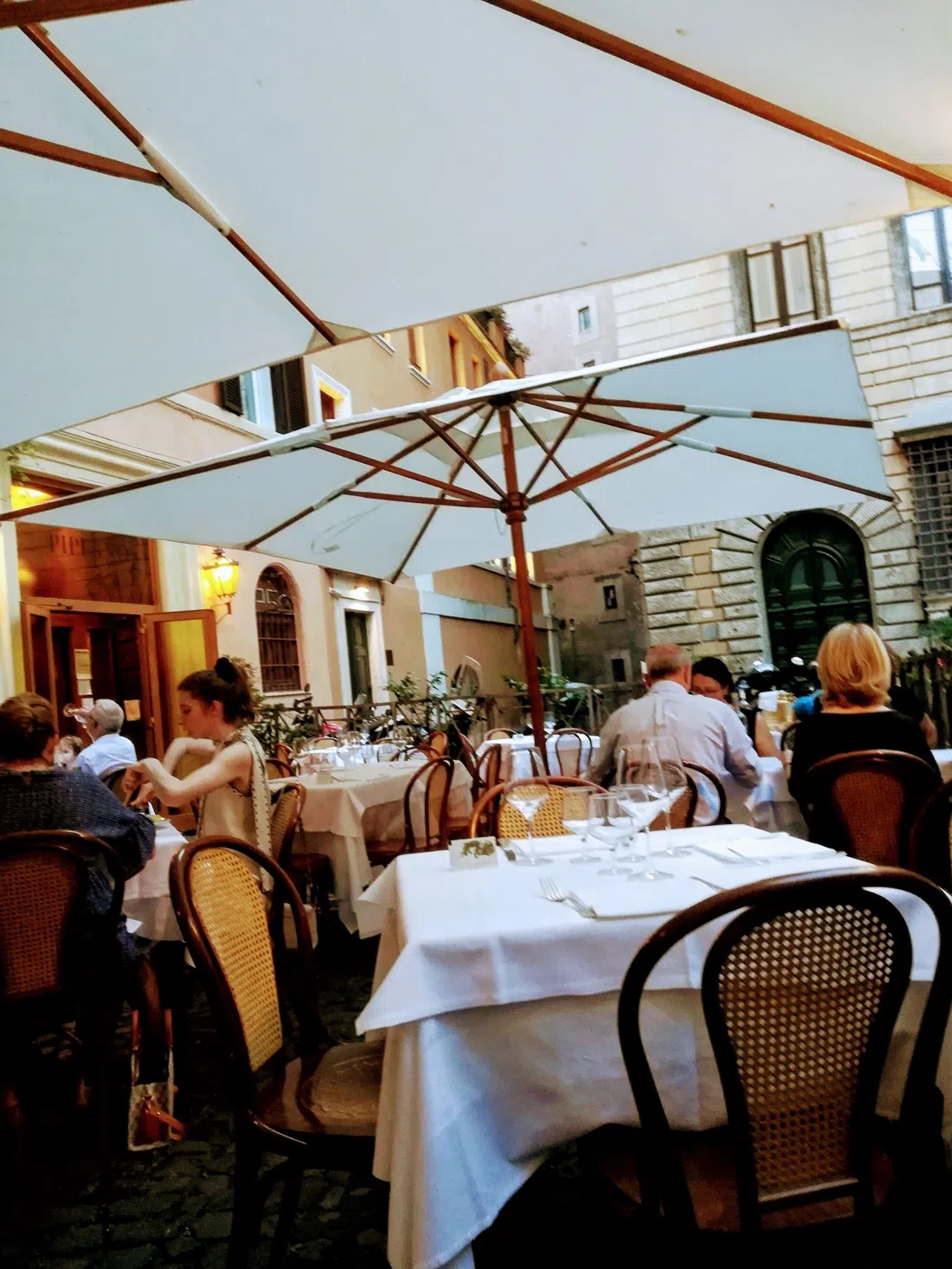
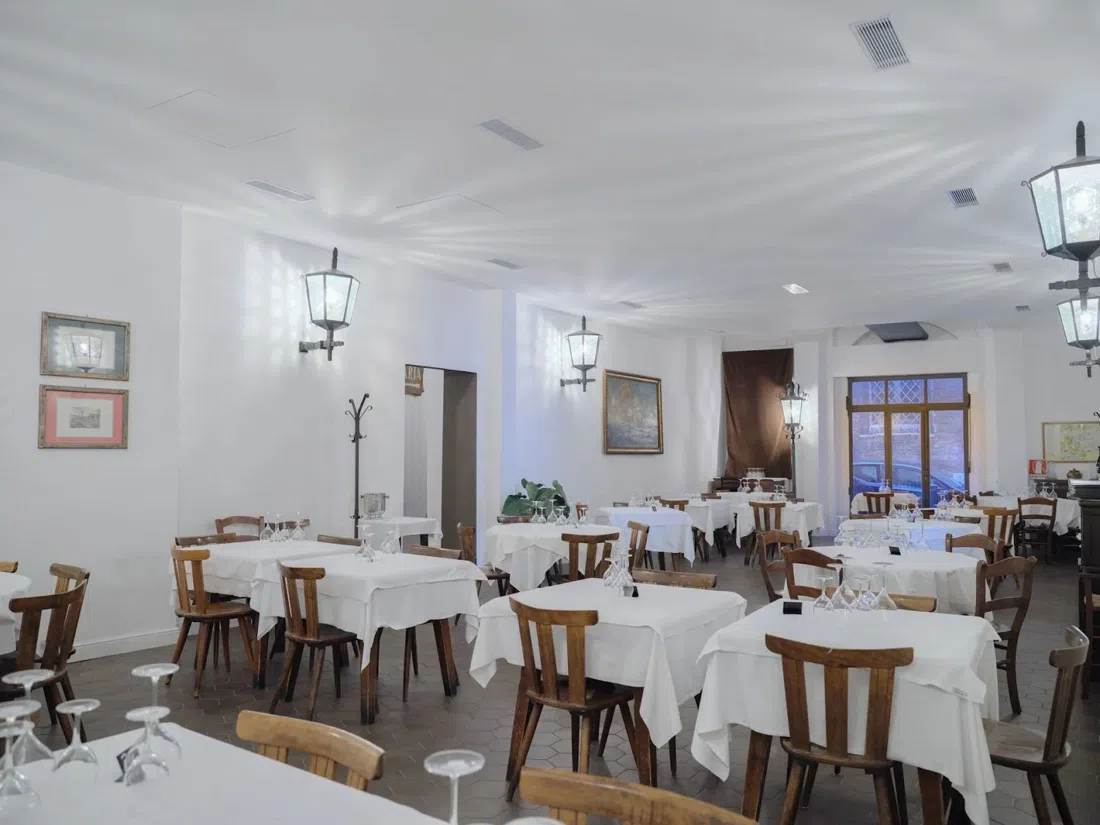
Piperno [on Via Monte de' Cenci, tucked against Palazzo Cenci] calls itself the "Kingdom of Jewish Artichokes," and the claim has some weight behind it: this is the ghetto's oldest continuously running restaurant, open since 1860. The carciofi here are the benchmark I measure everyone else's against — drier, crisper, less oily than most. It's also the most formal room on this list, with several dining spaces that handle private parties comfortably, though it fills on weekends, so a reservation isn't optional if you're coming for dinner on a Saturday. Expect €22-38 for a main; this is a proper sit-down meal, not a quick bite.
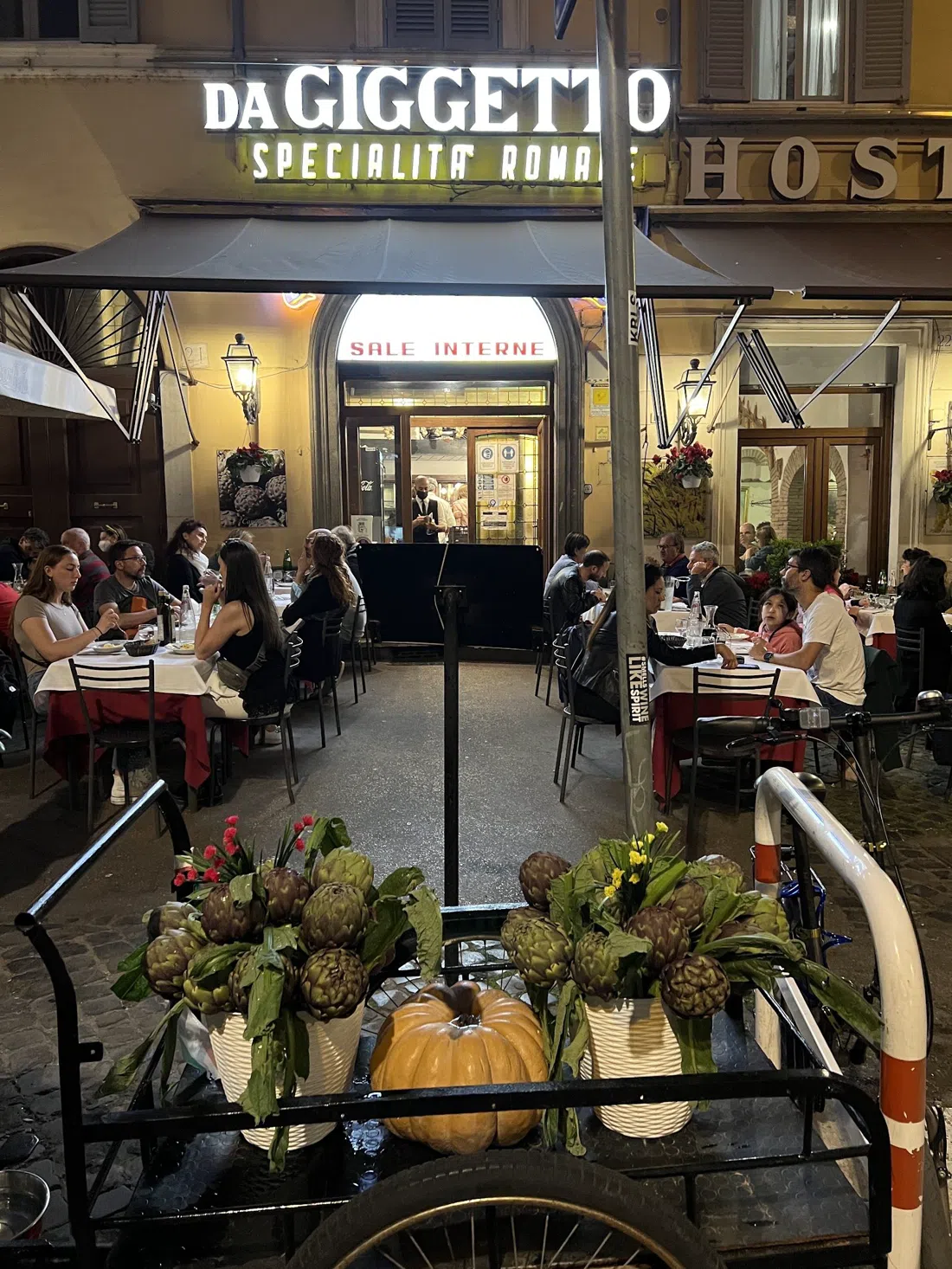
Giggetto al Portico d'Ottavia [right on Via del Portico d'Ottavia, facing the Portico d'Ottavia ruins], running since 1923, gives you the best view in the district — you're eating carciofi alla giudia in sight of the actual Roman colonnade the ghetto grew up around, which does something to how the dish lands. It's a third-generation family kitchen that's genuinely comfortable with tour groups, and its multiple sale make that possible without the room feeling like a banquet hall. Mains run €18-30.
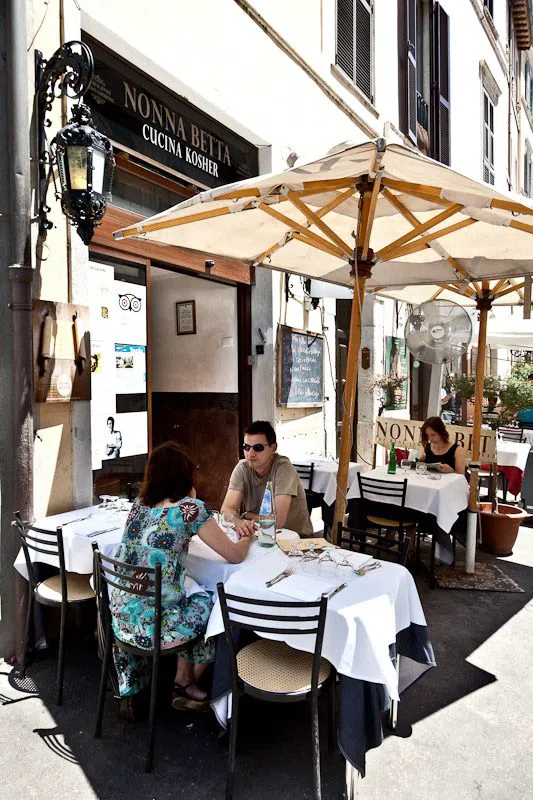
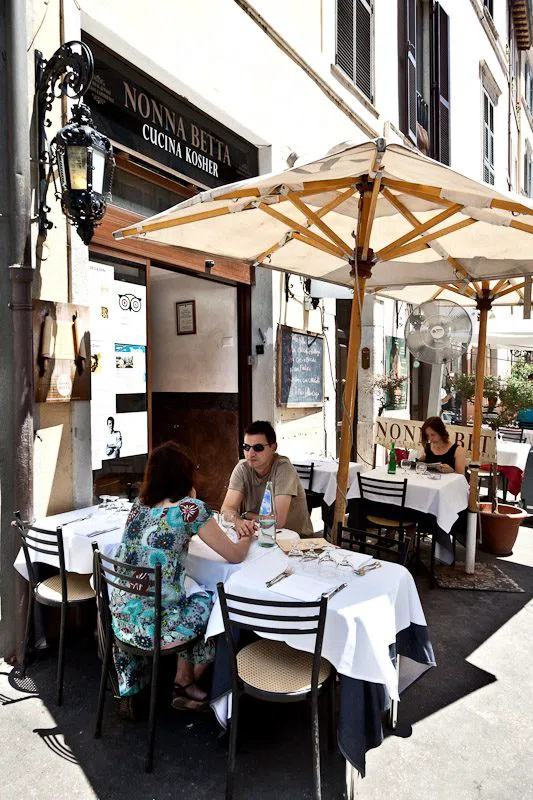
Nonna Betta [also on Via del Portico d'Ottavia], family-run since the 1990s by Umberto Pavoncello, is probably the first name most visitors hear before they arrive, and it earns the reputation: it keeps meat and dairy menus properly separated in the kosher-style tradition, the carciofi are reliable, and the room, while small, takes groups with advance notice — just book ahead if you're coming as more than six, because the dining room fills fast and there's no slack for walk-in parties that size. €12-22 for a main makes it one of the better-value historic kitchens here.
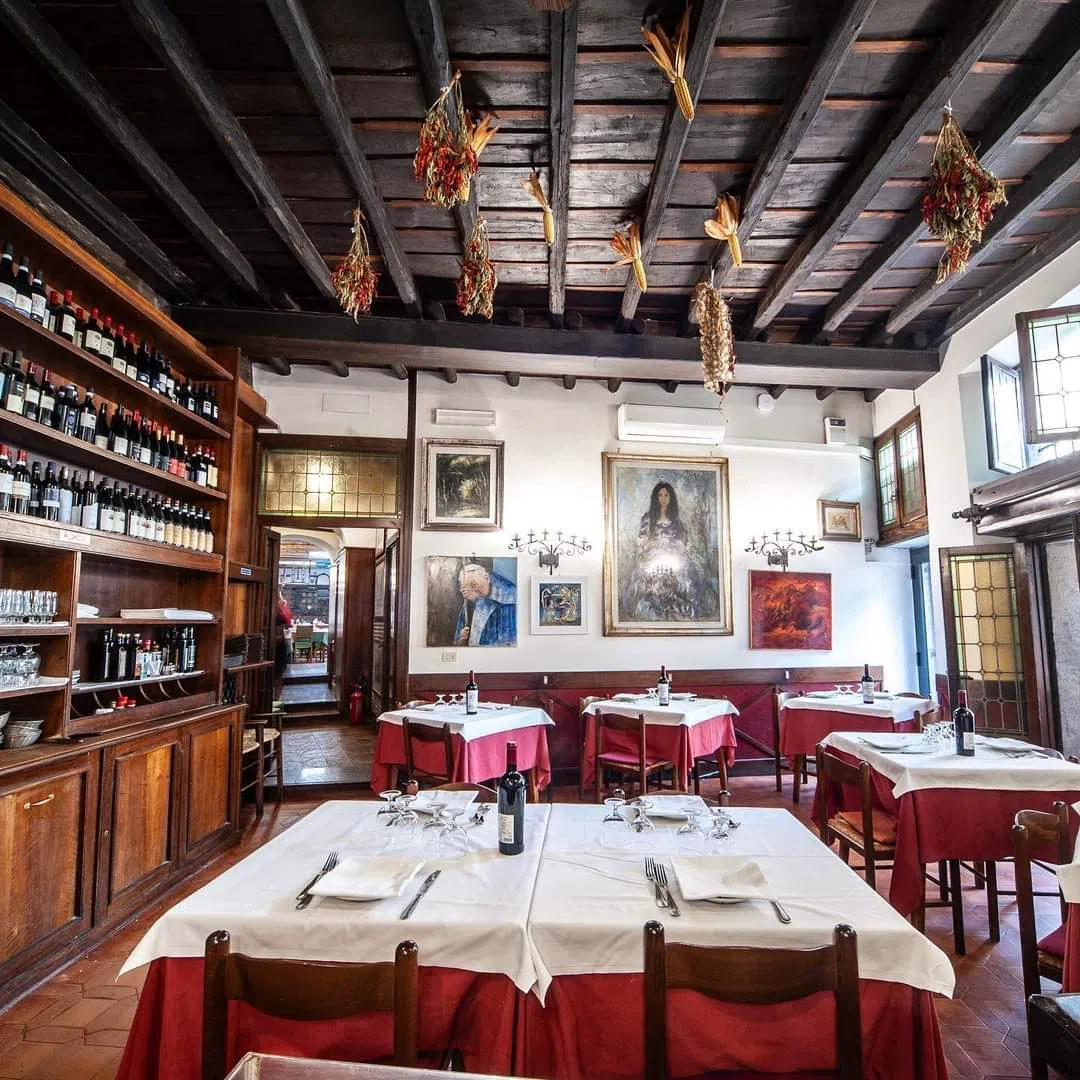
Al Pompiere [inside a Renaissance palazzo just off Via Santa Maria dei Calderari] is the one to pick if you want the room to do some of the storytelling. Since 1928 it's operated inside an actual palazzo — frescoed ceilings, high windows, the works — and it's the most visually distinctive dining space in the ghetto. It takes groups and private events comfortably in its palazzo rooms, reservation recommended, and alongside the artichokes it does a lemon fettuccine and fried salt cod worth ordering as well. Mains €18-28.
Kosher Kitchens for Groups and Events
Distinct from the kosher-style trattorie above, three kitchens here hold genuine kosher certification and are the right call if that matters to your group, or if you simply want a bigger, more organised room.
Ba'Ghetto [on Via del Portico d'Ottavia] is now the largest certified-kosher restaurant in Europe, and it's built for exactly the scenario that trips up smaller places: mixed groups, company dinners, Shabbat parties. If you're arriving eight or ten strong and want genuine kosher supervision rather than the kosher-adjacent tradition most of the trattorie work in, this is the address, and mains run €18-32.
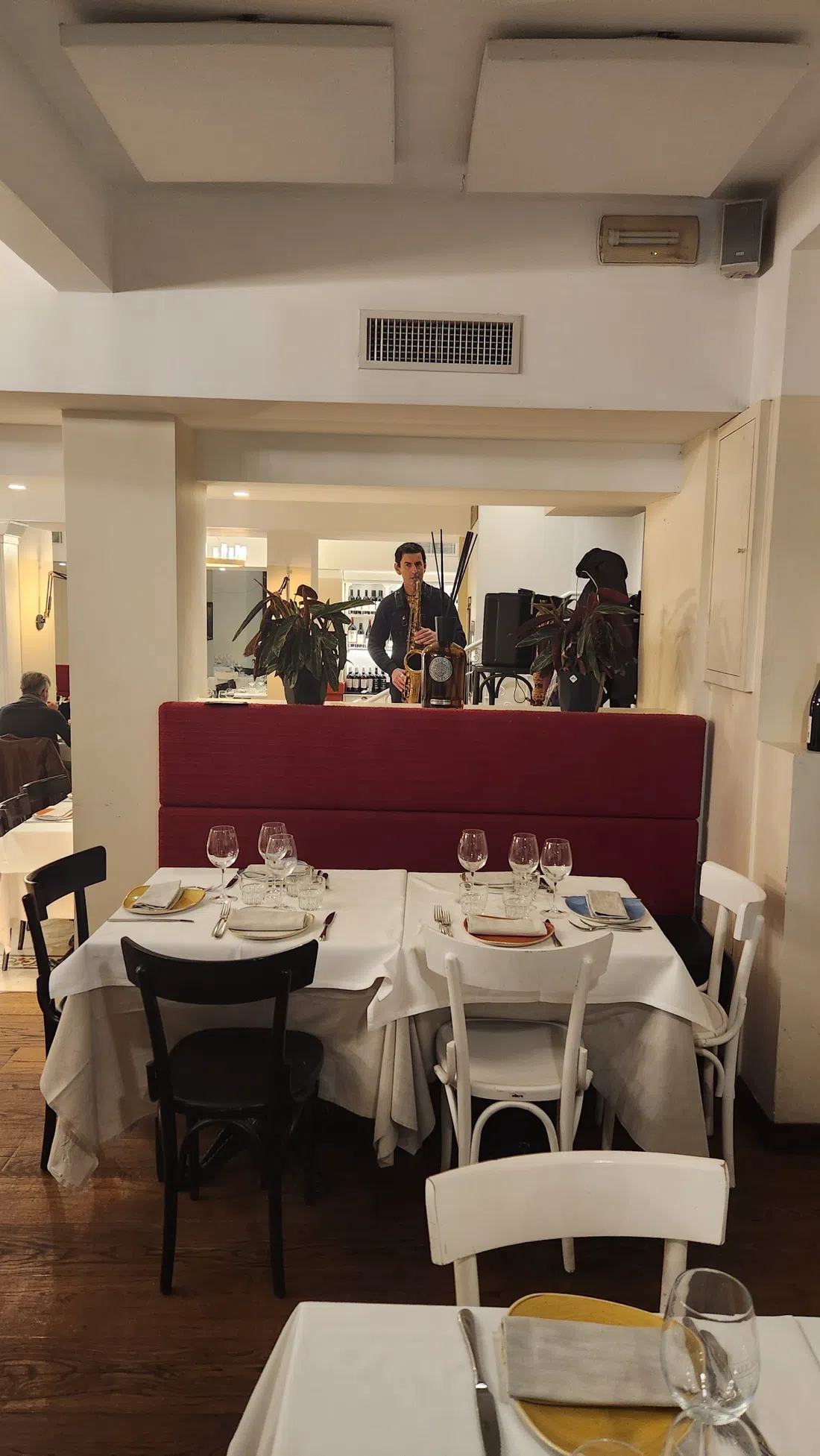
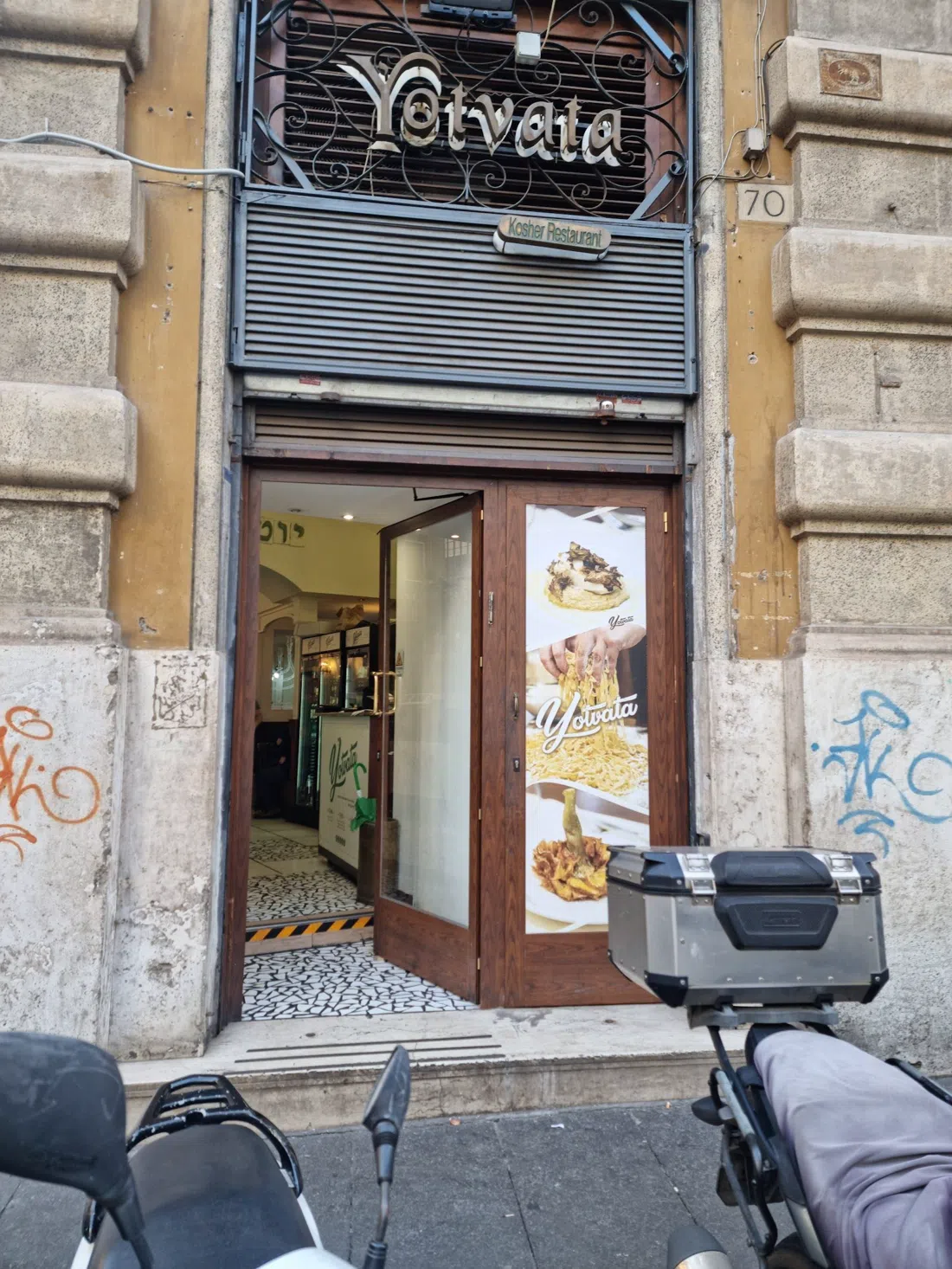
Yotvata [on Via Santa Maria del Pianto] pitches slightly more formal — a genuinely elegant, spacious dining room rather than a checked-tablecloth trattoria — which makes it a good fit for readers who want the culinary tradition without the rustic setting. It handles groups and events well. Mains €20-32.
La Taverna del Ghetto [on Via del Portico d'Ottavia] bills itself as Rome's first kosher restaurant to reopen after the war, and it plays the role of the reliable anchor on this list: solid fried classics, honest pastas, adjoining street seating that helps when your party's bigger than the indoor room can easily hold. At €14-24 a main, it's also the best value of the three kosher kitchens.
Small Tables, Local Rhythms
Not everything worth eating in the ghetto wants a group. Two places here are built around small, fast turnover and reward showing up with modest numbers and the right timing.
Sora Margherita [on Piazza delle Cinque Scole], open since 1927, is a dozen tables in a room with no sign worth mentioning — genuinely local, genuinely unpolished, and the useful counterweight to the more tourist-facing kitchens above. It is not the place to bring a group of ten; go as two to four, arrive close to opening, and you'll get handmade fettuccine and concia di zucchine that most of the ghetto's bigger rooms don't attempt. Mains run €10-18 and it's cash-friendly, which still matters here.
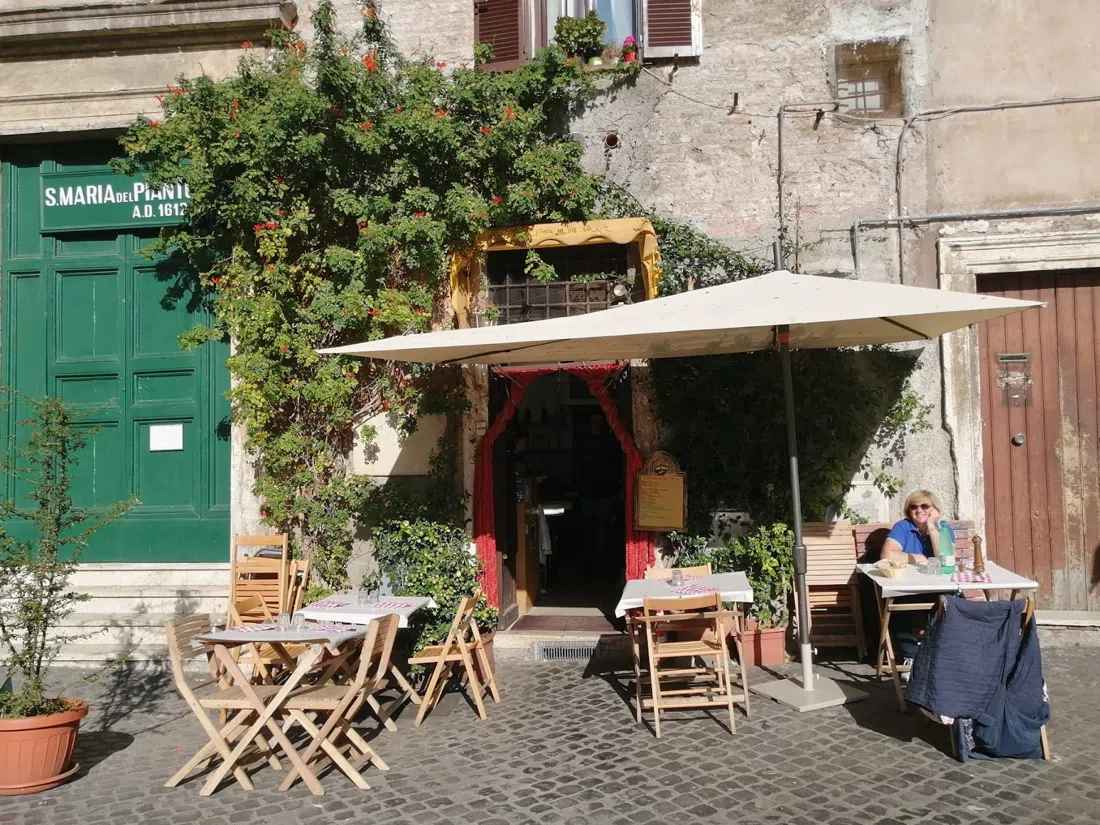
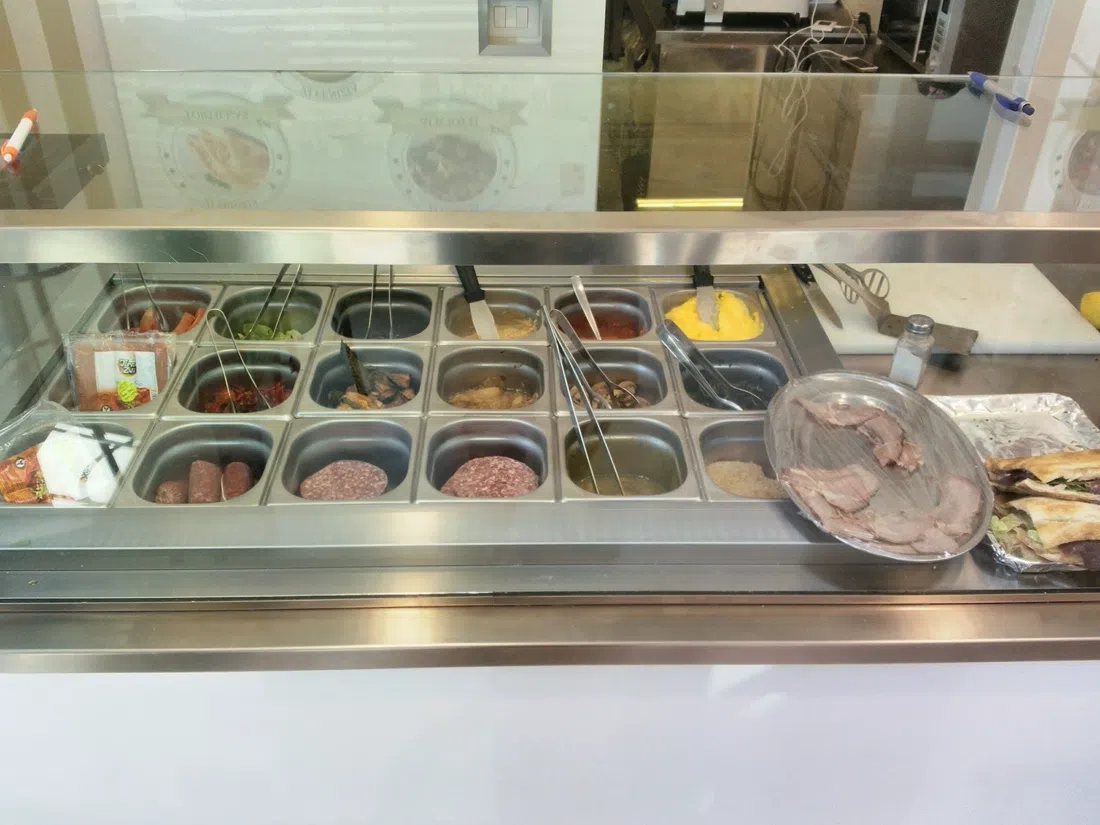
Zi' Fenizia [on Via Santa Maria del Pianto] is the district's kosher pizza al taglio counter — no seating, no reservation, just a cheap, informal way into the same food culture the sit-down restaurants are built on. Slices run €4-8. It suits an informal group grabbing something quick between stops far better than it suits a sit-down party, and that's precisely the point: it's the one venue on this list that costs almost nothing and asks nothing of your schedule.
The Bakery Behind the Legend
If you have time for exactly one stop in the ghetto and nothing else, make it this one.
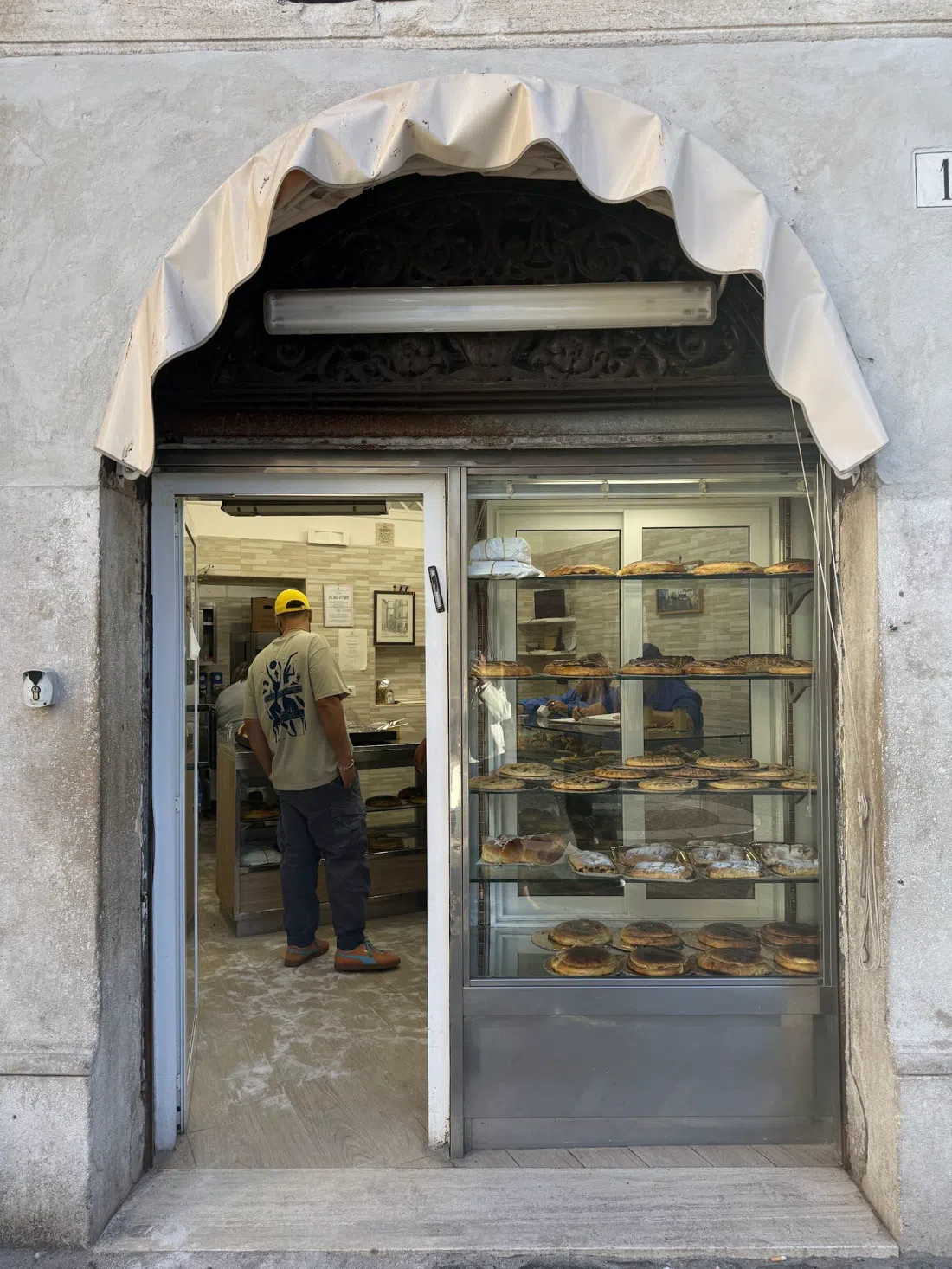
Pasticceria Boccione [on Via del Portico d'Ottavia] is a walk-in counter with no seating and, deliberately, no sign — an 1815 kosher forno still run by the same family, still baking the same blackened-top ricotta-and-sour-cherry tart it's associated with a papal-decree legend nobody can quite confirm and nobody wants disproven. This is the living centrepiece of the whole story: everything the restaurants above are doing with a fried artichoke, this place has been doing with an oven since before Italy was a country. Pastries run €3-6, and it works well as a stop on a group walking tour rather than somewhere to sit. The hours are strict and worth writing down before you go: closed Friday afternoon, closed all Saturday, closed on Jewish holidays. Turn up on the wrong day and you'll find a shutter and nothing else — I've done it, and it's a genuinely deflating way to end an otherwise good walk.
Tasting the Whole Story in One Sitting
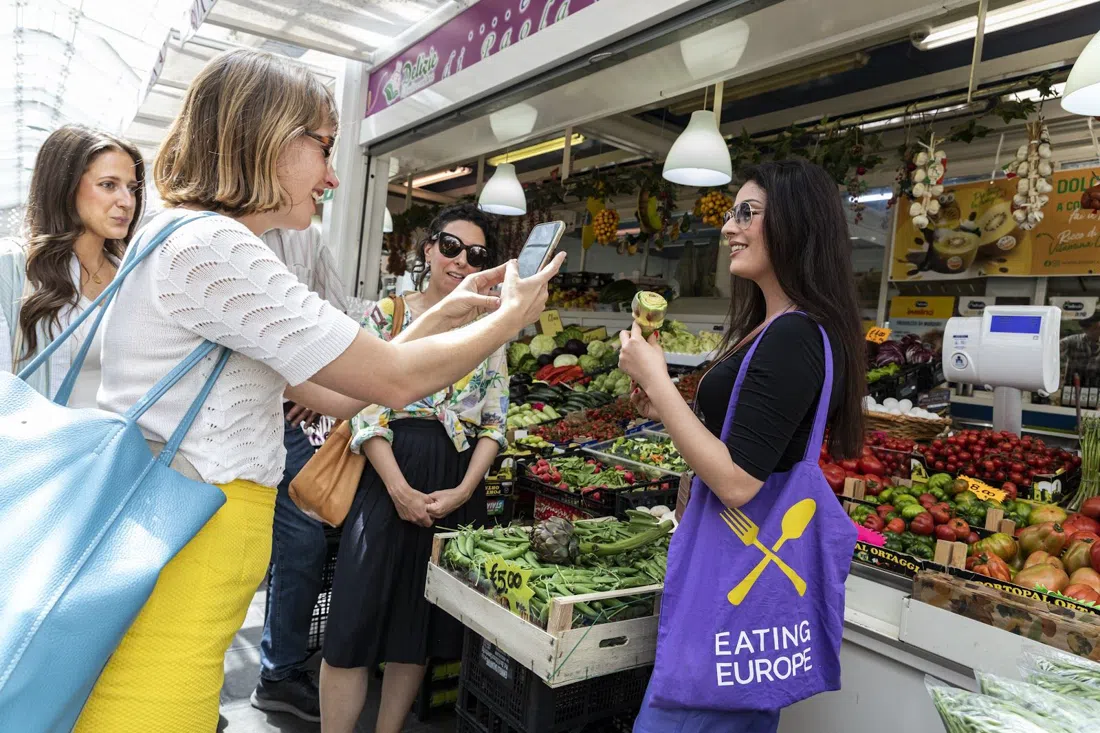
For readers who'd rather have the history narrated than pieced together restaurant by restaurant, the Jewish Rome Food Tour by Marco Misano (run under RomanJews) is built precisely for that: a small-group, guided kosher food-tasting walk, taking anywhere from 1 to 15 participants, that strings several of the stops above into a couple of guided hours. It's not a replacement for coming back to Piperno or Ba'Ghetto for a proper sit-down dinner, but at roughly €50-80 per person it's a genuinely efficient way to taste the range of this cuisine — fried, baked, kosher-certified, kosher-style — in one sitting, and a sensible first move if you're only in Rome for a day or two and want the ghetto's food story rather than just one meal from it. It's worth booking this before anything else on this list, since small-group slots fill during peak season.
For the rest of your stay, the Rome guide covers what else the city's worth your time for beyond this one district.
Getting There, Cash, Timing, and Budget
The Jewish Ghetto sits between Largo di Torre Argentina and the Tiber, an easy 10-15 minute walk from both the Pantheon and Campo de' Fiori — there's no need for a taxi or the metro once you're anywhere in the historic centre. The nearest useful bus stops are on Via Arenula, served by routes running from Termini and Trastevere, but walking is genuinely the better option given how compact the area is.
Carry some cash. Sora Margherita is cash-friendly by tradition and Zi' Fenizia's counter moves faster with coins in hand; the bigger kosher restaurants all take cards without issue.
Timing matters more here than almost anywhere else in Rome, because kosher kitchens close around Jewish observance, not tourist demand. Friday afternoon into all of Saturday, expect Boccione and several of the kosher-certified restaurants to be shut; plan your ghetto meal for a weekday or a Sunday if you want every option on this list open to you, and always call ahead to confirm a Friday dinner booking rather than assume. Lunchtime around 1pm and dinner from 7:30pm onward are when these kitchens are genuinely in their stride, particularly the carciofi, which are best eaten fresh out of the second fry rather than reheated.
Budget a range across the district rather than picking one number: a quick pizza al taglio lunch at Zi' Fenizia can run under €10, a full sit-down dinner with wine at Piperno or Al Pompiere can comfortably clear €50-60 a head, and the guided food tour sits in between at roughly €50-80 per person for a couple of hours of tasting. None of it requires booking weeks out except for larger groups on weekends — but for those, reserve at least a few days ahead, especially at Piperno and Giggetto.
If you're staying nearby, the ghetto is walkable from most of the historic centre's hotel clusters; browse the Rome hotel search for options within that 10-15 minute radius so you're not relying on late-night taxis after a long dinner.