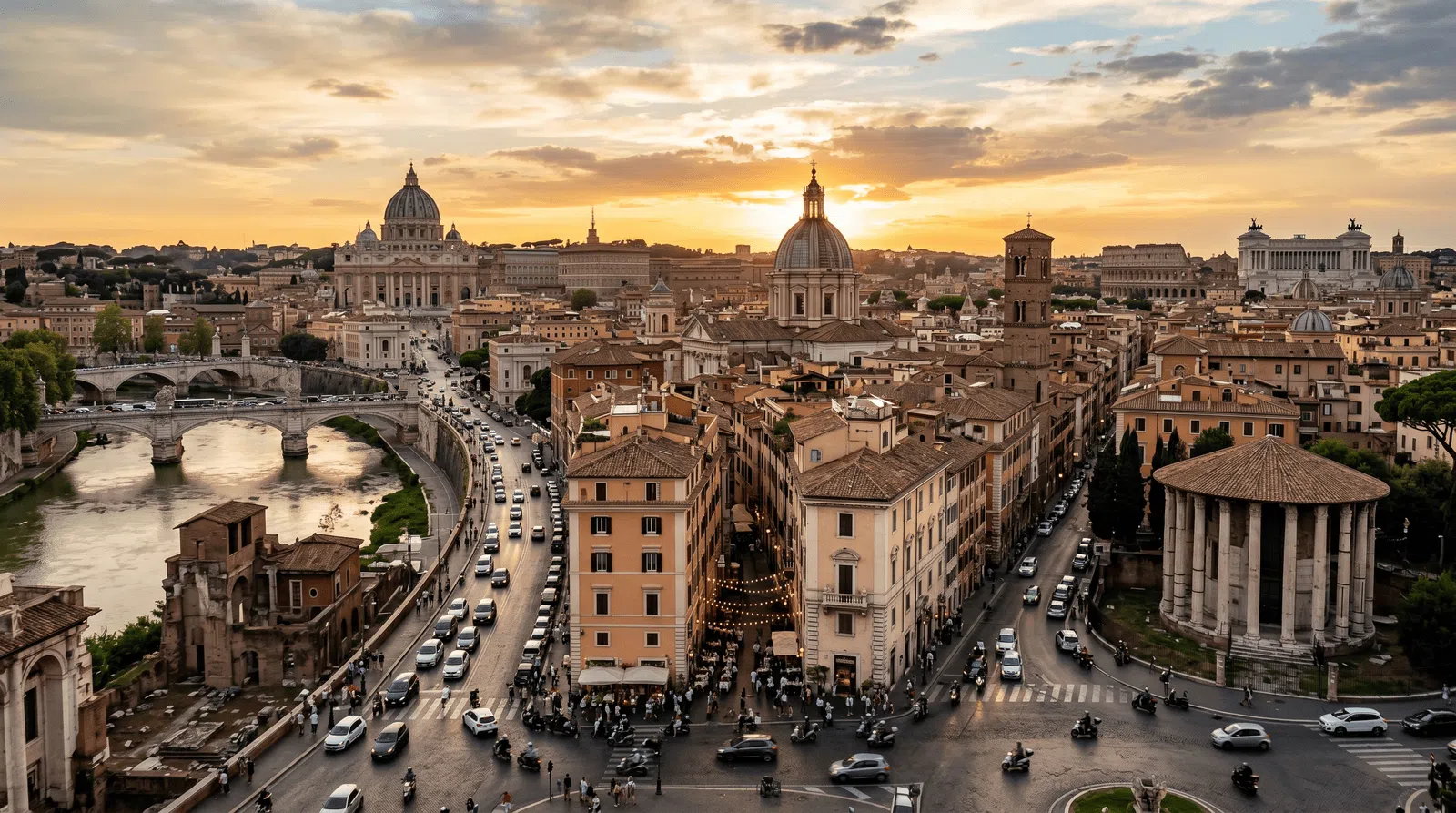
The Rome issue, November 2026
Rome
Rome does not ease you in; it demands immediate adaptation.
Plan your Rome trip
Live prices from our booking partners.
Guests & rooms
Free cancellation on many rooms. We may earn a commission when you book.
The Rome reading list
All 17 Rome stories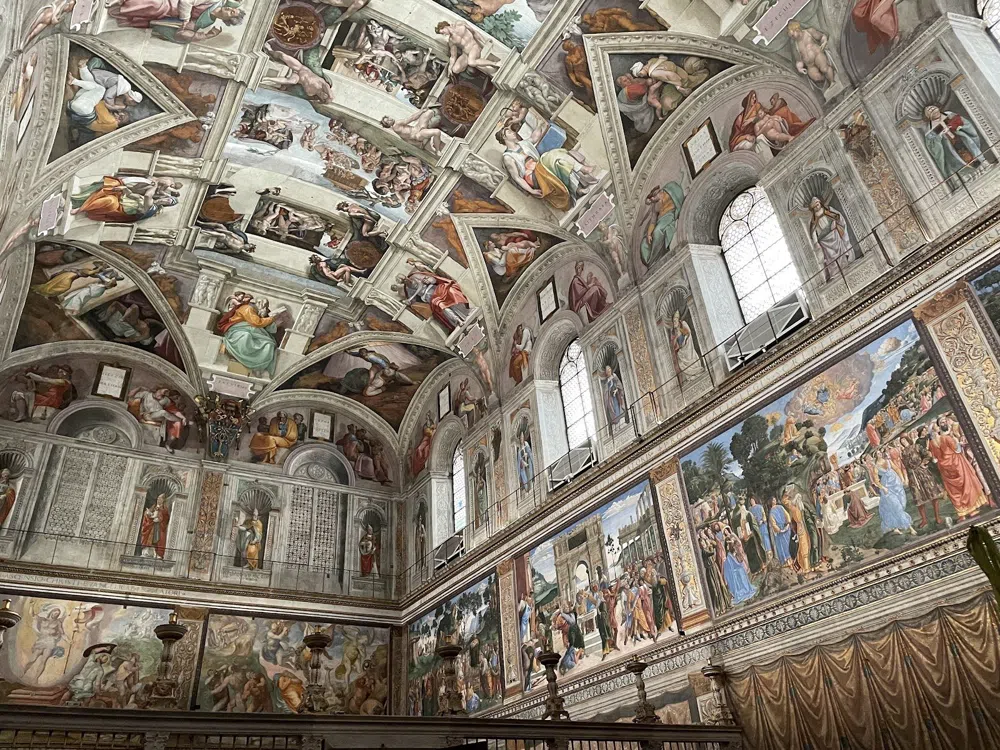
Tours and ticketsThe lead story
Walking the Vatican Museums on an October Morning in Rome
Start at 08:00, take the one-way route through to the Sistine Chapel, and eat either side of the visit at the Prati counters.
Tomás Almeida
Tours and tickets
An Unhurried Day in Rome's Villa Borghese
Galleria Borghese sells timed slots; the terraces, the lake paths and two small cinemas in Rome's central park cost nothing. Here are the cheap hours.
Tomás Almeida
Tours and tickets
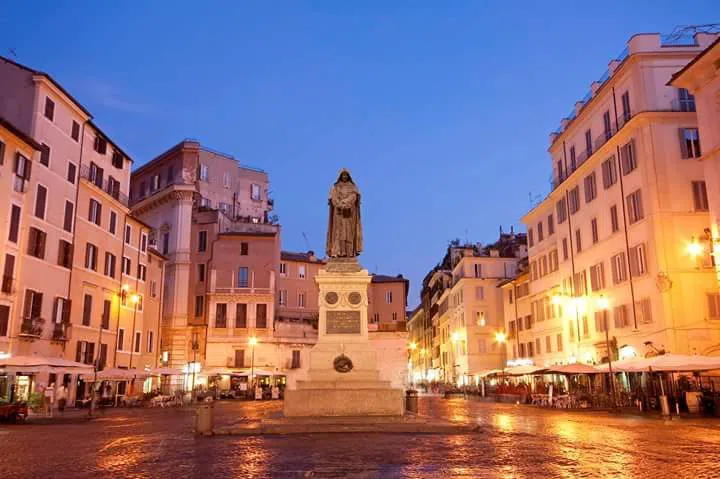
Campo de' Fiori in Rome hour by hour, rain included
The stalls work Monday to Saturday mornings only, so the rest of a Campo de' Fiori day runs on whatever doors you booked ahead.
Tomás Almeida
Tours and tickets
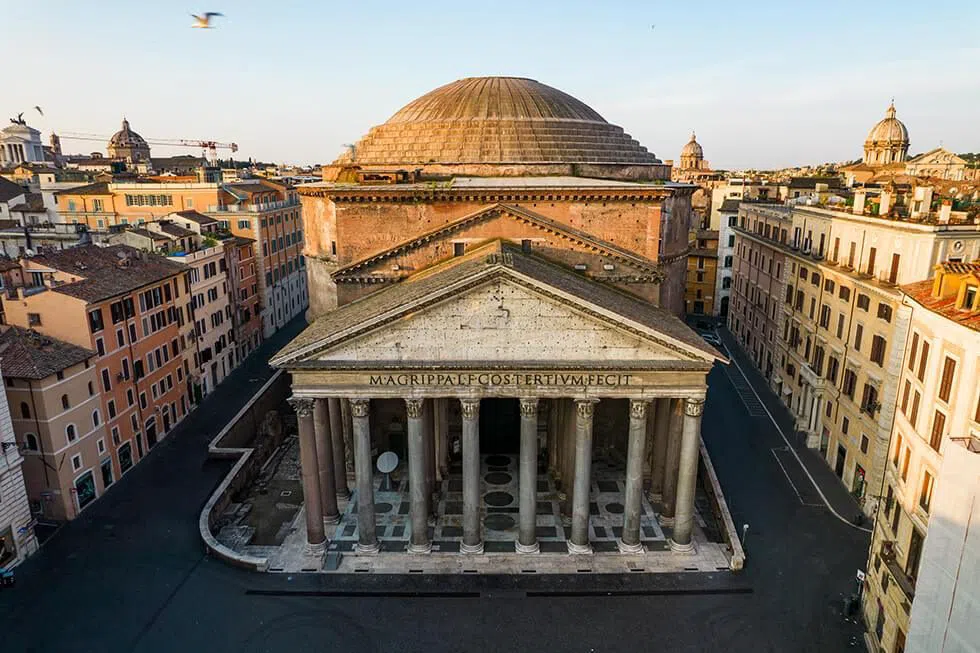
Standing Under the Pantheon's Open Oculus in Rome
The best-preserved building of the ancient world costs €7 and needs half an hour, and it is at its best if you arrive in the first hour or the last.
Tomás Almeida
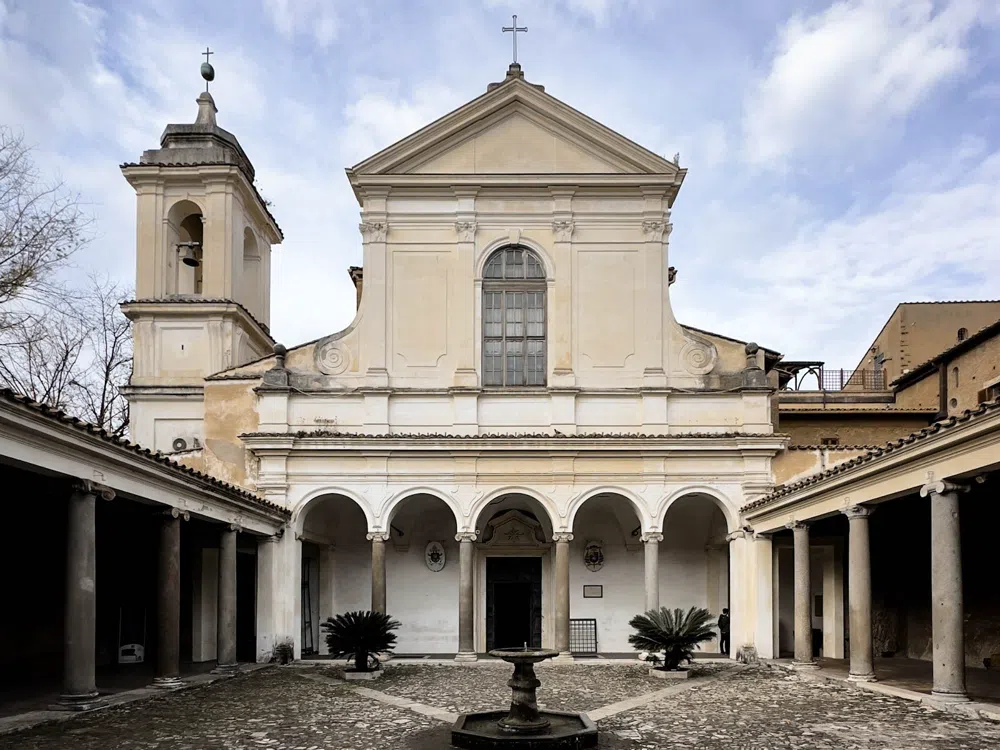
Rome's Underground: The Buried City Beneath the Eternal City
Beneath the Colosseum and Trevi Fountain lies a second Rome of catacombs, buried palaces and pagan temples — here's how to actually get into it in 2026.
Tomás Almeida
More from the Rome issue
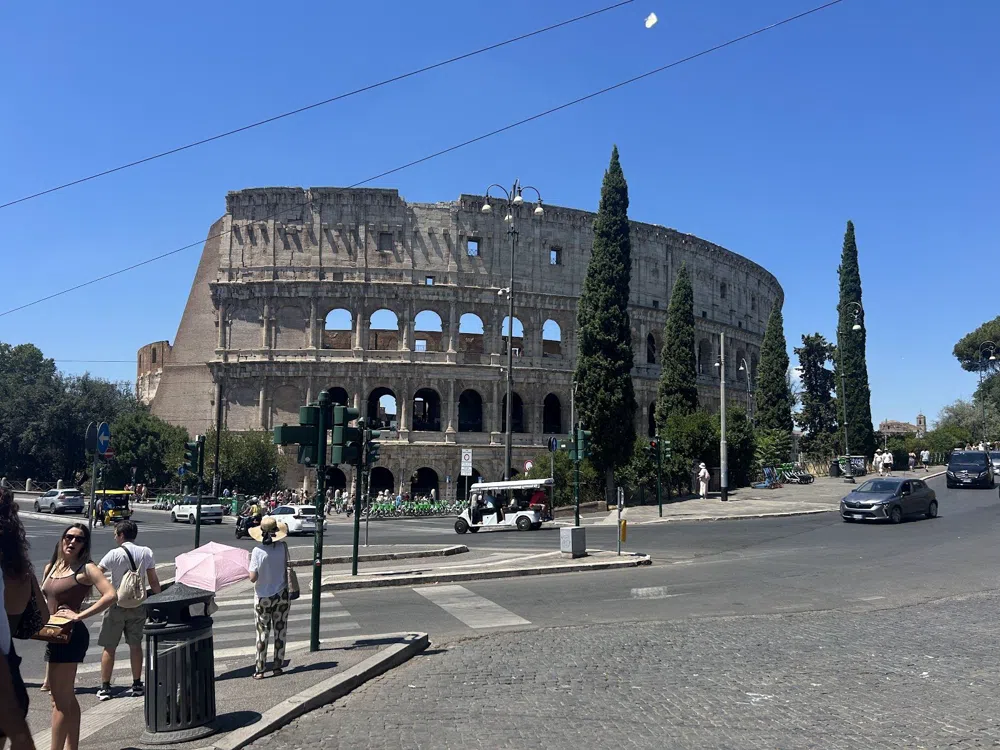
Ancient Rome After Dark: A Local's Guide to the Colosseum and Forum Without the Crowds
Tomás Almeida
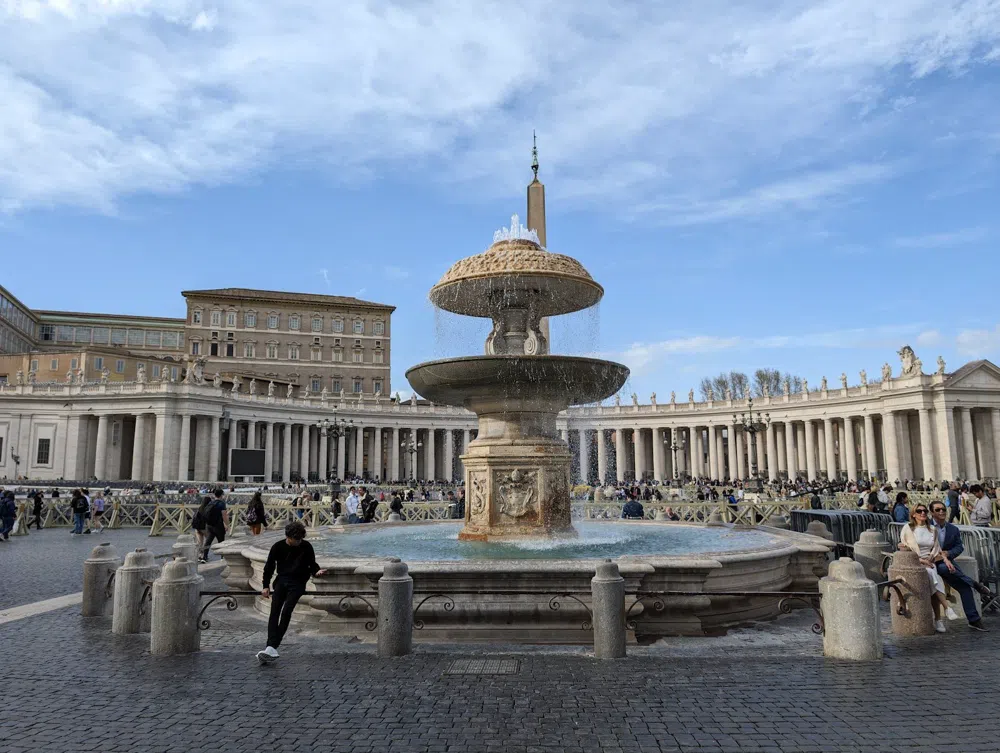
Christmas in Rome 2026: Vatican Tree, Nativity Scenes and the 8 December Start
Tomás Almeida
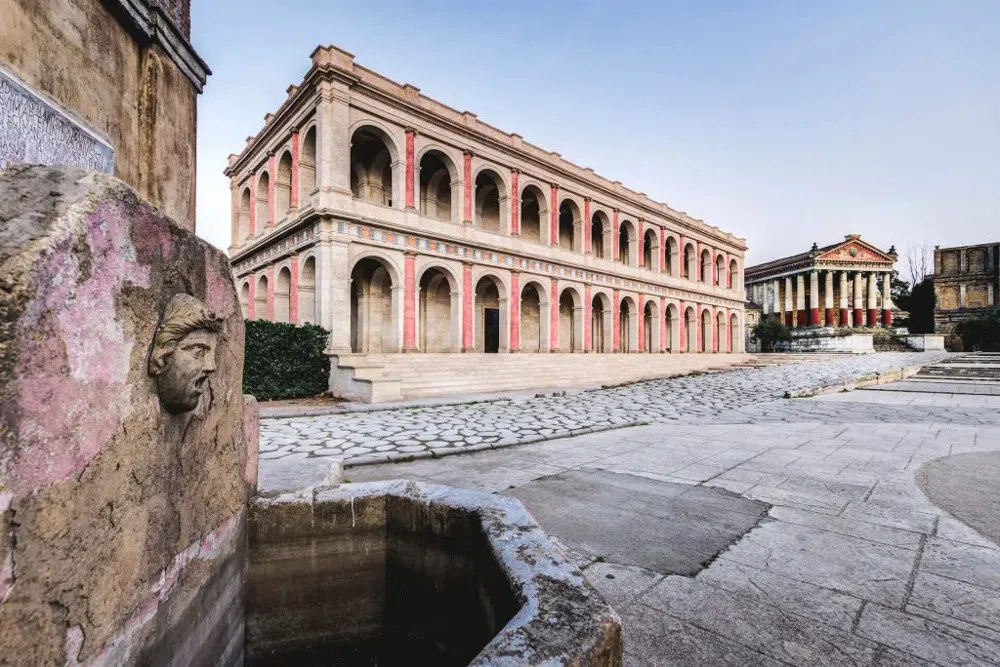
Walking the Cinecittà Backlot Where Fellini Built Rome
Tomás Almeida
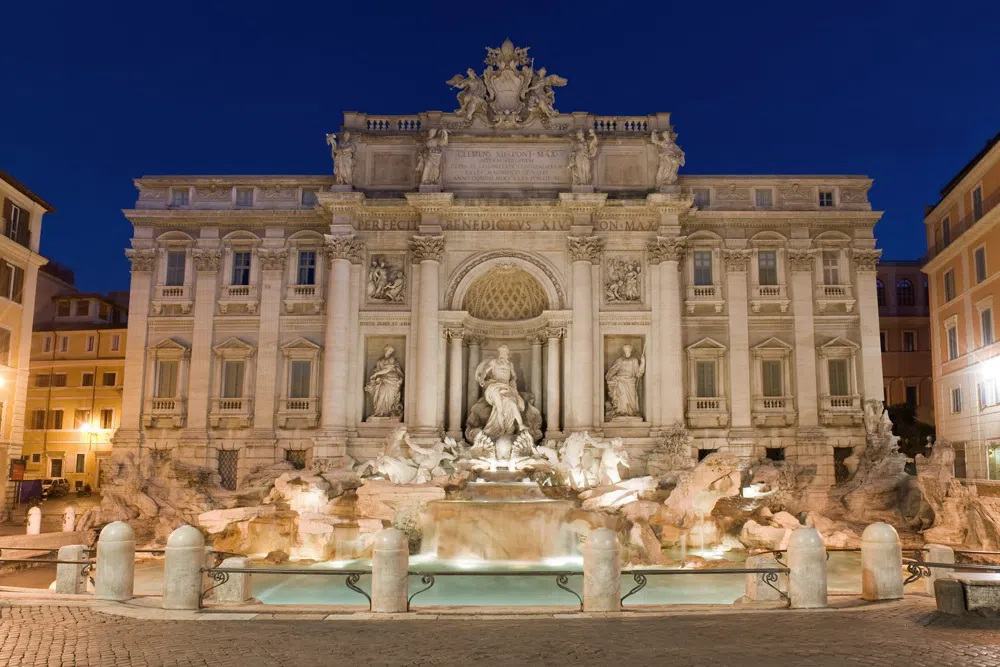
Trevi Fountain Tickets: The EUR2 Fee, Opening Hours and How to See It Free
Tomás Almeida
The Best Golf Cart Tours for Families in Rome
Tomás Almeida
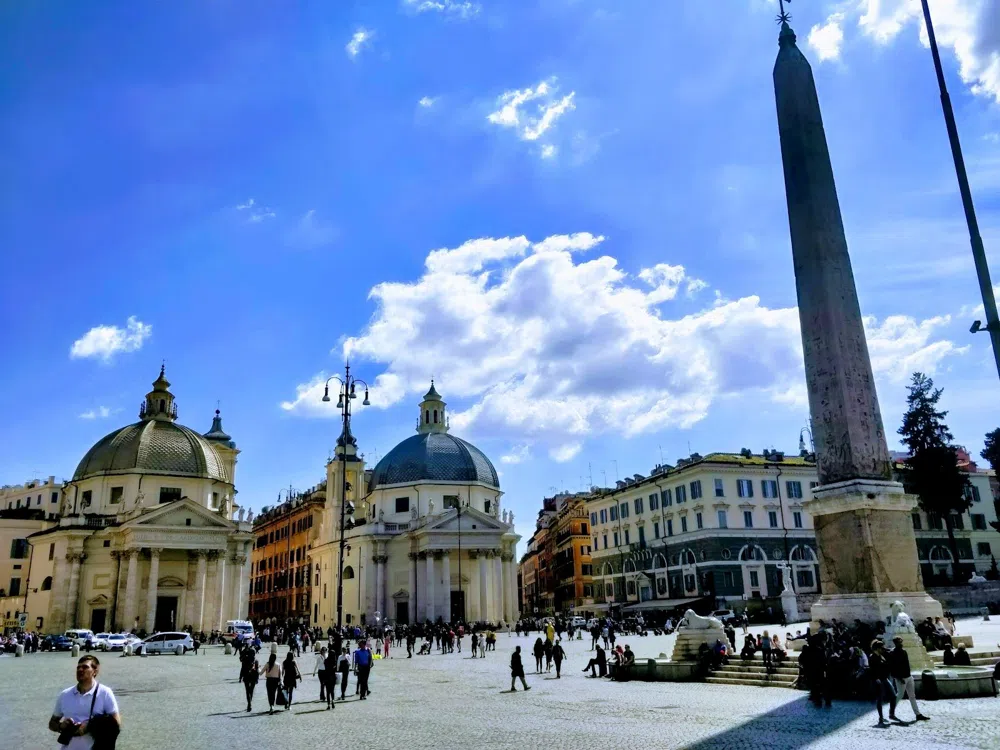
Rome Walks at Dusk: A Passeggiata From Popolo to Trastevere
Tomás Almeida

The Aqueduct Park Where Rome Comes to Picnic on Sundays
Tomás Almeida
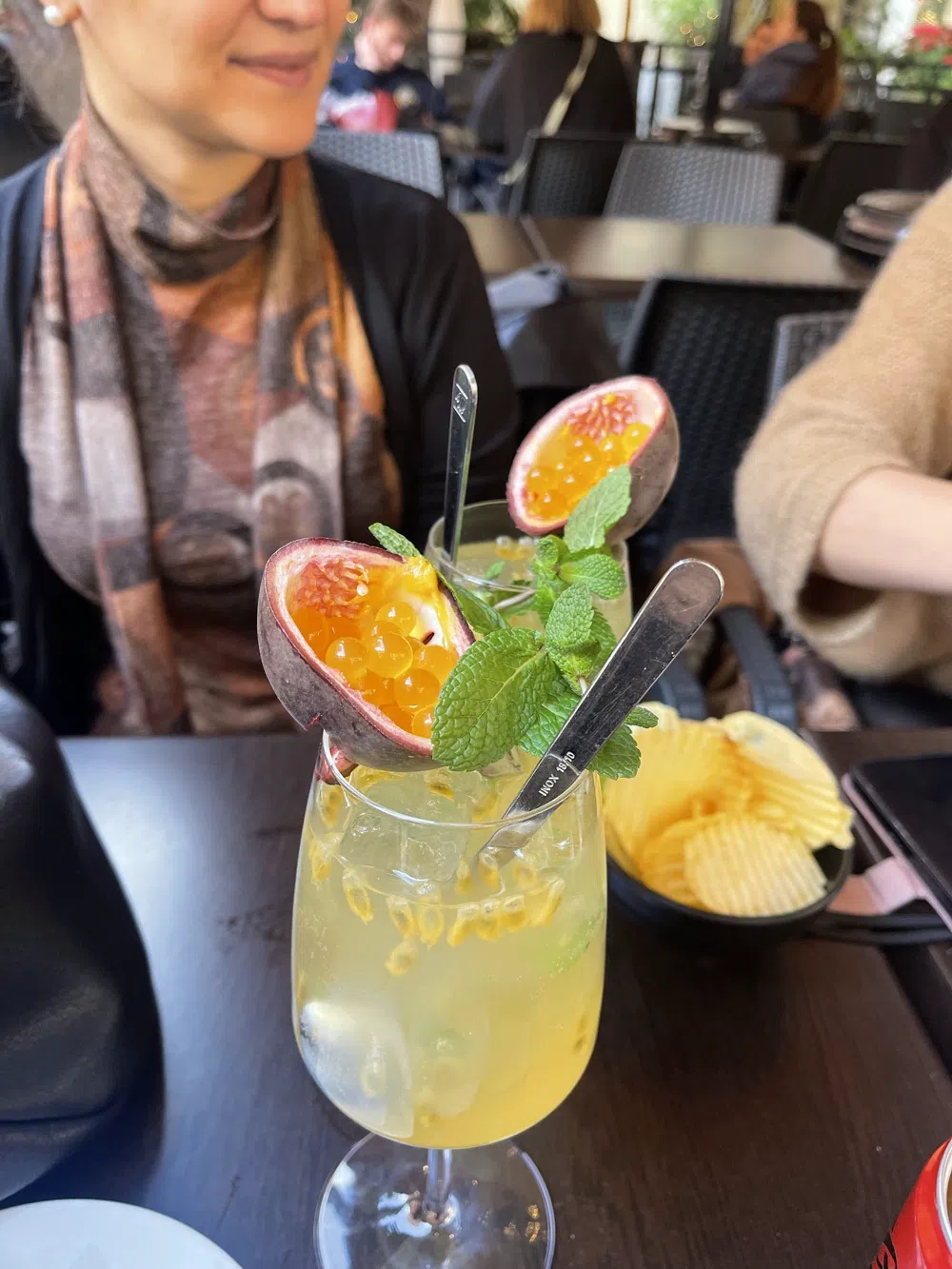
The Eternal Spout: How Rome's Nasoni Outlasted Every Empire
Emil Sørensen
Tours and tickets
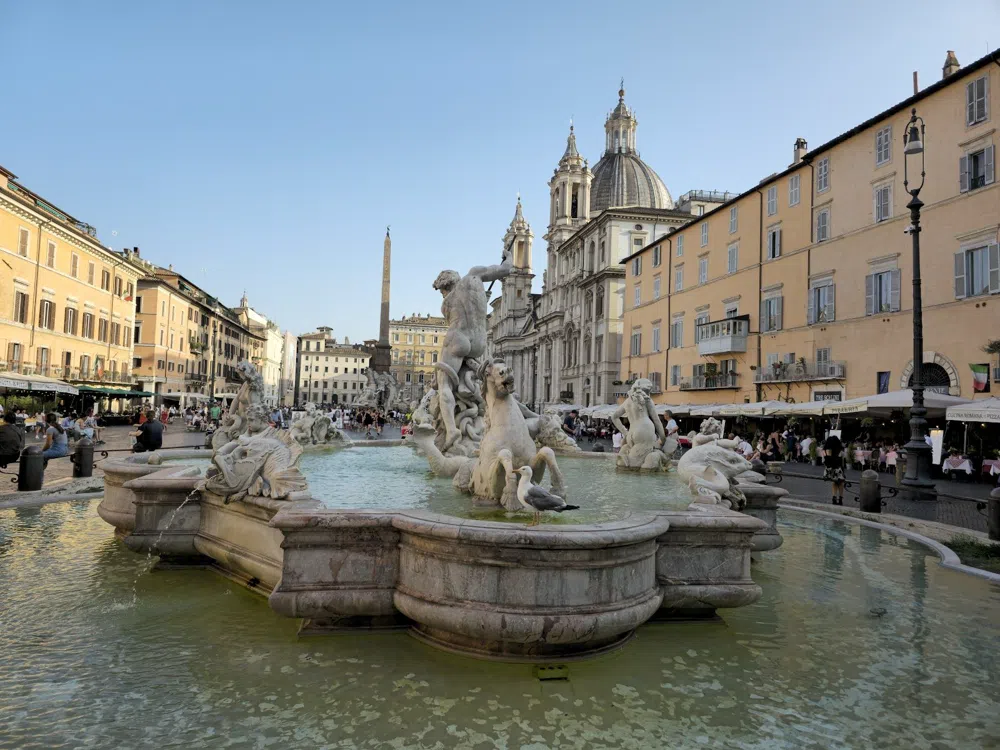
How to Walk Piazza Navona Without the Crowds in Rome
Tomás Almeida
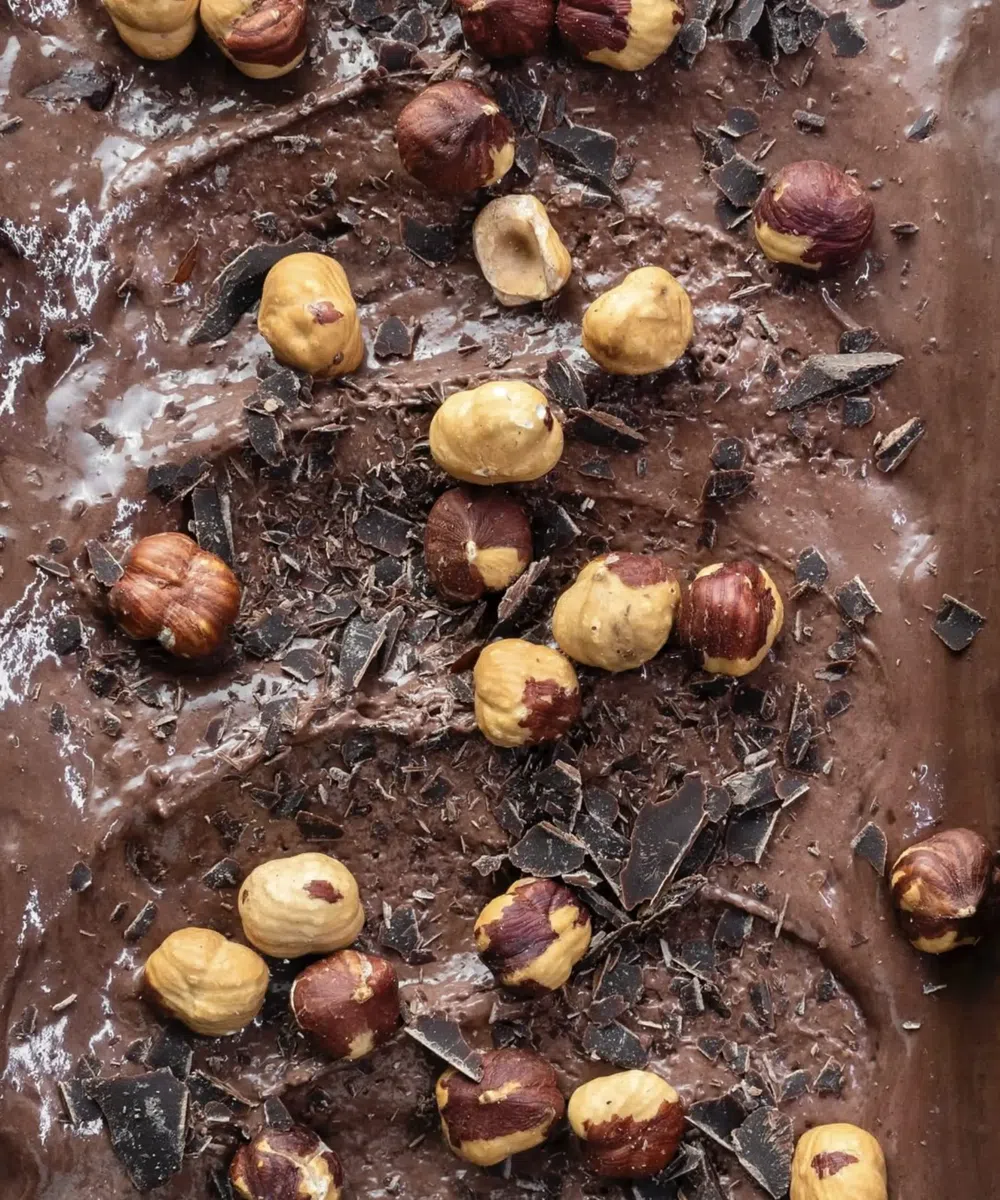
Seven Hills, One Scoop: Finding Rome's Gelato Without Falling for the Tourist Trap
Tomás Almeida
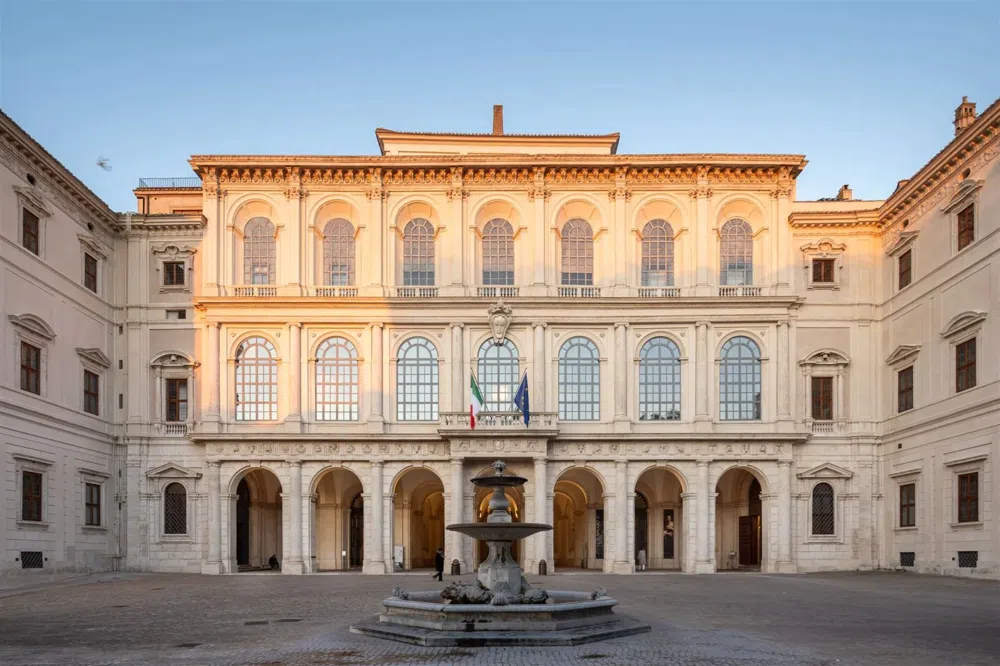
Following the Barberini Bees Across Rome's Painted Ceilings
Tomás Almeida
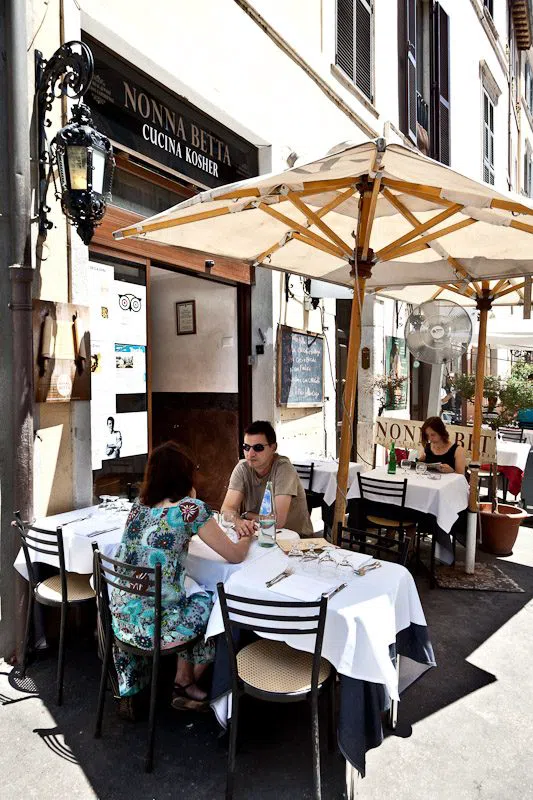
How Rome's Jewish Ghetto Keeps Its Kitchen Alive
Tomás Almeida
An insider’s read on Rome
Rome's identity is defined by its physical layers. Walk down any street in the historic center and you are stepping on history stacked like geological strata, from classical antiquity and early Christian basilicas to Renaissance palaces and Baroque fountains. This density shapes the Roman psyche; locals live alongside monuments that would be the centerpiece of any other city with a casual, almost indifferent familiarity.
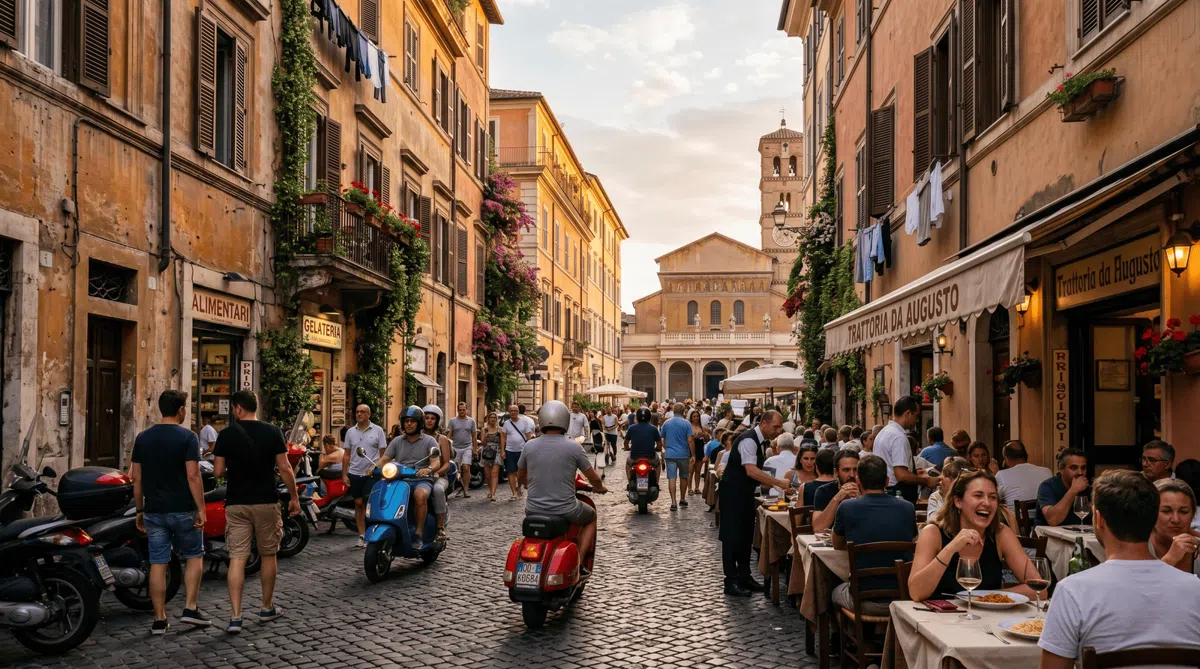
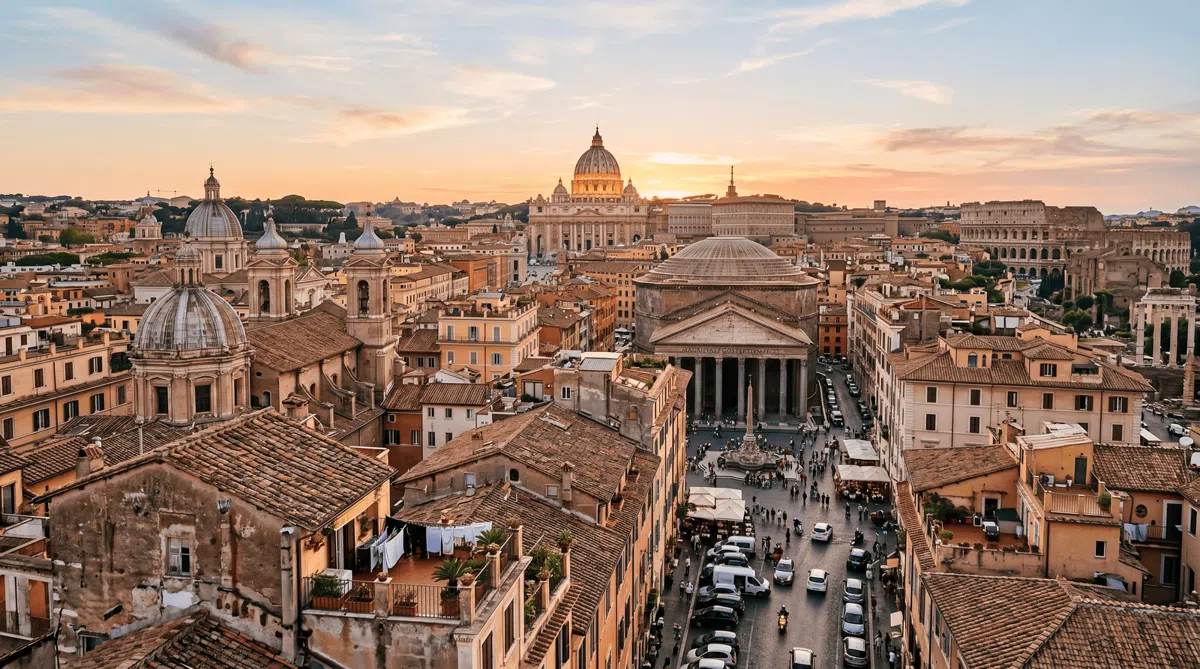
where ancient travertine ruins serve as roundabouts for buzzing Vespas and centuries-old piazzas double as open-air dining rooms.
From our Rome guide
Five neighbourhoods, five ways to stay
Pick the neighbourhood first and the trip follows. Each one opens its own guide, with the hotels inside it.
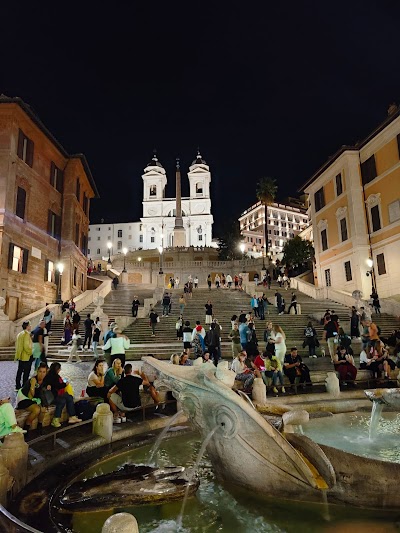
Centro Storico
First-time visitors who want to walk to major sites, though the trade-off is higher prices and very crowded streets.
The monumental heart of Rome, defined by narrow winding alleys, grand Baroque piazzas, and constant tourist foot traffic.
Where to stay High-end boutique hotels and historic guesthouses tucked into centuries-old palazzos.
Stay in Centro Storico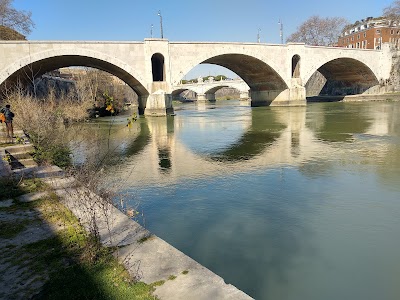
Trastevere
Travelers seeking nightlife and dining, though it gets extremely noisy and rowdy on weekend nights.
A bohemian enclave across the Tiber River with ivy-draped alleyways, lively bars, and a strong nightlife scene.
Where to stay Charming apartments, bed and breakfasts, and converted convent guesthouses.
Stay in Trastevere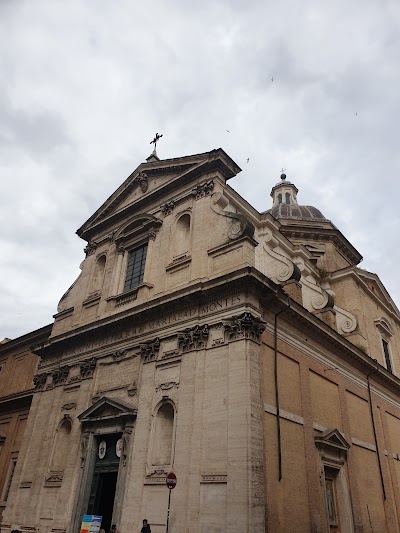
Monti
Creative professionals and couples who want to be close to the Colosseum but away from the main tourist drag.
A hip, residential neighborhood with a village-like feel, filled with vintage shops, artisan boutiques, and lively wine bars.
Where to stay Stylish design hotels and intimate boutique guesthouses.
Stay in Monti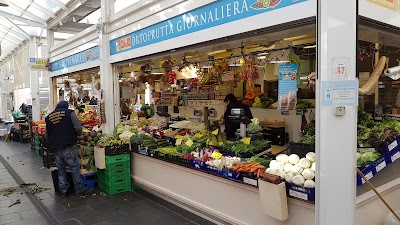
Testaccio
Food enthusiasts looking for an authentic local atmosphere, though it is slightly removed from the historic center.
A working-class neighborhood built around a historic slaughterhouse, widely considered the culinary heart of traditional Rome.
Where to stay Unpretentious mid-range hotels and residential apartment rentals.
Stay in Testaccio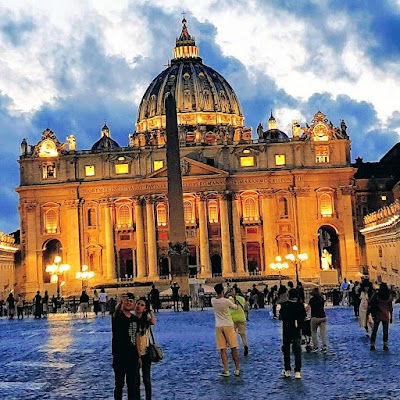
Prati
Families and travelers visiting the Vatican who prefer a quieter, more polished neighborhood vibe.
An upscale, orderly residential district with wide avenues, Art Nouveau architecture, and high-end shopping streets.
Where to stay Elegant mid-range hotels and spacious apartment rentals.
Stay in PratiBook before you land
Top-rated tours and tickets in Rome, with live prices from Viator.

Pizza and Gelato Making Experience with Fine Italian Wine in Rome
from $111

Rome: Colosseum Photoshoot, Private & Custom Experience
from $51

Rome Pasta, Ravioli & Tiramisu Cooking Class with Premium Wine
from $111

Pasta and Tiramisu Making Class with Fine Italian Wine in Rome
from $111

Civitavecchia to Rome City: Private Tour of Rome Highlights
from $820

Private Tour: Ancient Rome by Car
from $435

Pizza, Gelato & Suppli Cooking Class by Colosseum
from $111

Pasta and Tiramisu Semi-Private Cooking Class with a MasterChef
from $167
Prices from Viator; we may earn a commission when you book — at no extra cost to you. Tours are sold and operated by Viator, the merchant of record. Ratings are collected by Viator and Tripadvisor.
Book direct
Book a hotel in Rome
Loading live availability and real-time prices…
The Rome guide
Where to eat, drink and look, how to get around, and what locals expect of you. Open any chapter.
Where to eat
Dining
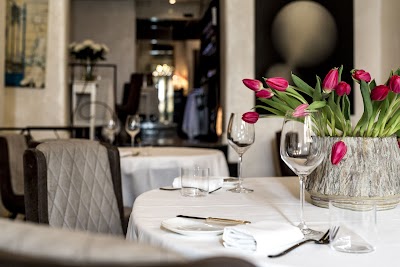
Il Sanlorenzo
Sourced almost entirely from the Ponza archipelago, this restaurant serves pristine, minimally handled seafood to Rome's political and cultural elite.
Signature: Spaghetti with fresh sea urchin
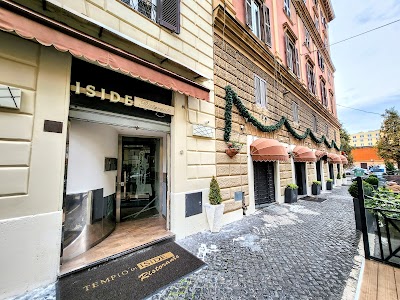
Tempio di Iside
Located just blocks from the Colosseum, this upscale venue avoids tourist crowds by focusing on raw seafood preparations of exceptional quality.
Signature: Raw red prawns from Mazara del Vallo
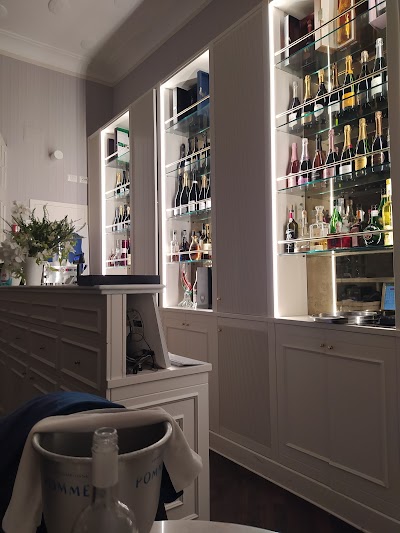
Chinappi
A family-run establishment with deep roots in the Formia fish market, offering precise cooking and an extensive champagne list.
Signature: Wild sea bass baked in sea salt
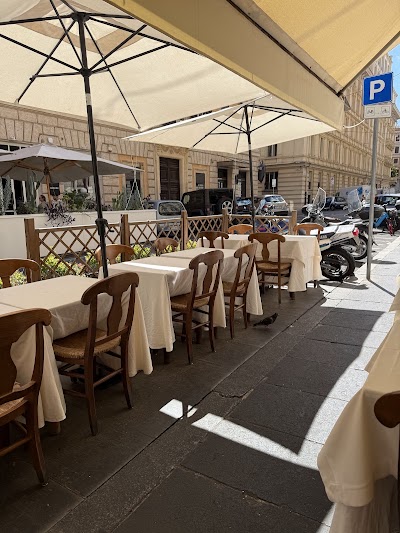
Girarrosto Fiorentino
A classic Tuscan enclave in Rome since the 1960s, serving perfectly aged beef carved tableside by career waiters.
Signature: Bistecca alla Fiorentina
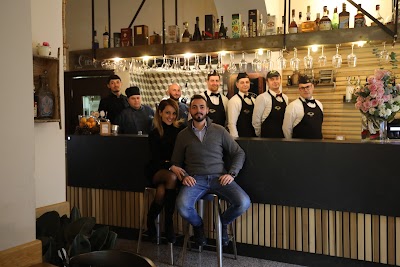
Ornelli Black Angus Steakhouse
Dedicated exclusively to premium dry-aged beef cuts, featuring custom aging cabinets visible from the dining room.
Signature: Dry-aged Tomahawk steak
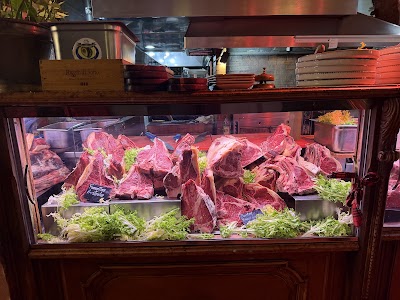
Kilo
A casual, butcher-style dining experience where guests select their preferred cuts directly from the counter before they are grilled over oak.
Signature: Charcoal-grilled beef skewers
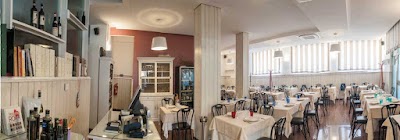
Cesare al Casaletto
Widely regarded by culinary critics as the gold standard for traditional Roman trattorias, located at the end of the Tram 8 line.
Signature: Rigatoni alla Carbonara
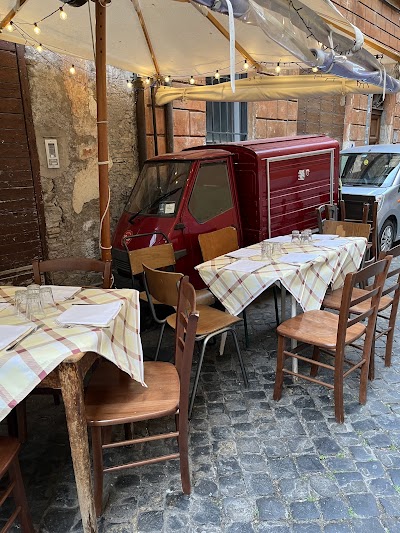
Da Enzo al 29
A tiny, frantic trattoria that lives up to the intense hype with rich, perfectly emulsified pasta sauces and classic Roman hospitality.
Signature: Tonnarelli Cacio e Pepe
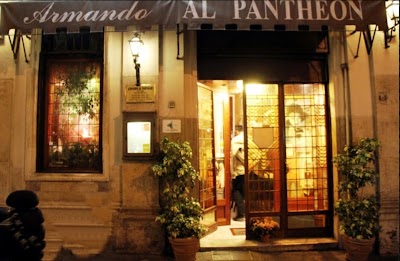
Armando al Pantheon
Exceptional execution of Roman classics steps from the Pantheon, requiring reservations several months in advance.
Signature: Coda alla Vaccinara (oxtail stew)
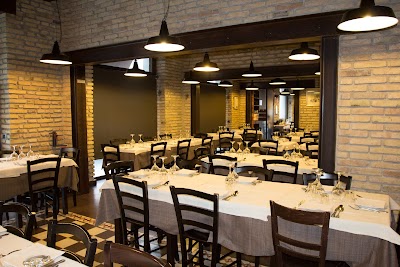
Felice a Testaccio
A historic Testaccio institution famous for its theatrical tableside pasta mixing and sharp, professional service.
Signature: Tonnarelli Cacio e Pepe mixed tableside
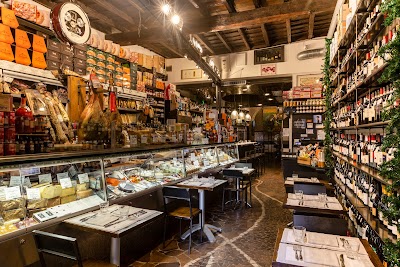
Roscioli Salumeria con Cucina
Part high-end deli, part restaurant, serving arguably the most decadent Carbonara in the city using premium guanciale and Pecorino.
Signature: Spaghettoni alla Carbonara
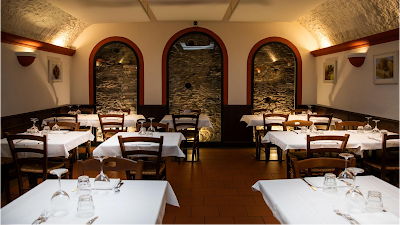
Flavio al Velavevodetto
Built directly into Monte Testaccio, an ancient mound of discarded Roman amphorae, offering a unique historic setting.
Signature: Rigatoni all'Amatriciana
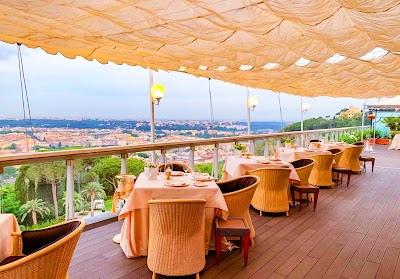
La Pergola
Perched atop the Rome Cavalieri hotel, Chef Heinz Beck's legendary dining room offers panoramic city views and meticulous service.
Signature: Fagotelli La Pergola (liquid-filled pasta pockets)
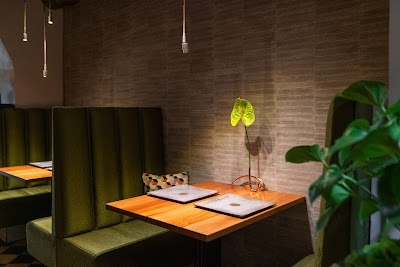
Il Pagliaccio
Chef Anthony Genovese blends Italian techniques with Asian influences in a minimalist, intimate setting.
Signature: Avant-garde multi-course tasting menu
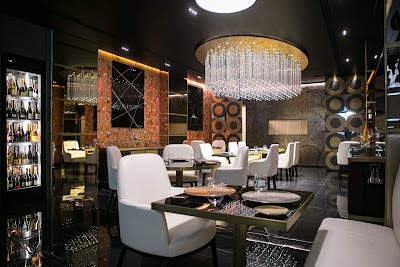
Idylio by Francesco Apreda
Bold, spice-forward interpretations of Italian ingredients inside the Pantheon Iconic Rome Hotel.
Signature: Capellini with sea urchin and spices
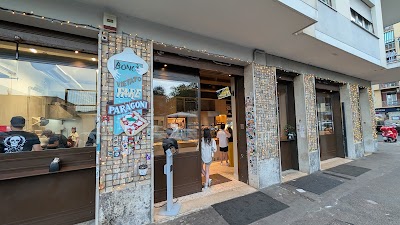
Pizzarium Bonci
Gabriele Bonci revolutionized Roman pizza by the slice using wild yeast doughs and artisanal, seasonal toppings.
Signature: Pizza al taglio with potato and mozzarella
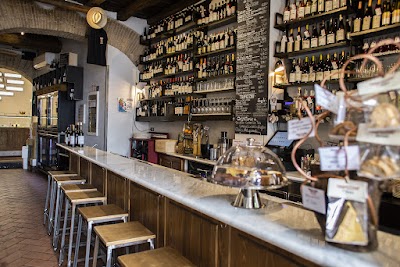
Trapizzino
A modern Roman invention consisting of a thick pocket of pizza bianca stuffed with classic Roman stews.
Signature: Chicken cacciatore trapizzino
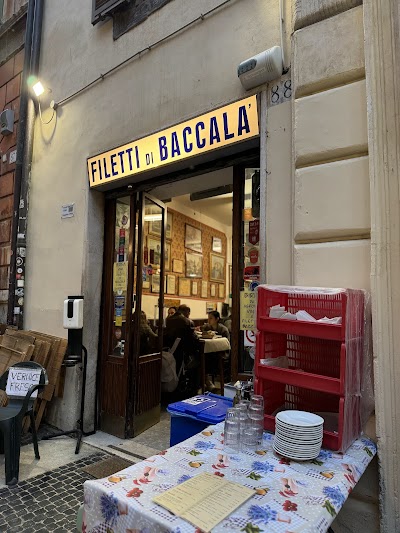
Dar Filettaro a Santa Barbara
A no-frills, single-item specialist serving piping hot, battered cod in a tiny piazza off Campo de' Fiori.
Signature: Fried cod fillet (filetto di baccalà)
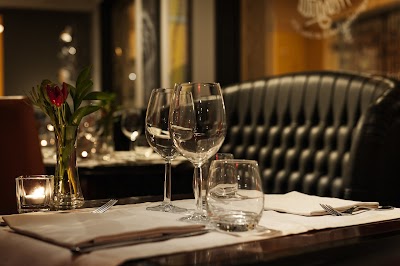
Il Margutta
Rome's pioneer of upscale vegetarian dining, operating as an art gallery and restaurant since 1979.
Signature: Vegetarian tasting menu
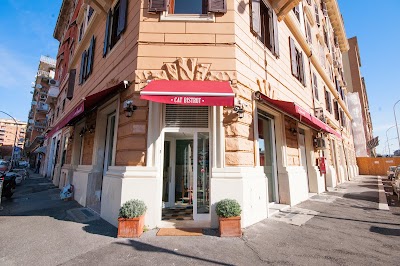
Romeow Cat Bistrot
A sophisticated vegan bistro with resident cats, offering an inventive, globally inspired plant-based menu.
Signature: Raw vegan avocado and lime cake
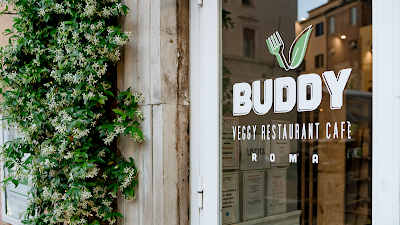
Buddy Veggy
Centrally located spot offering plant-based versions of classic Roman comfort foods and pizzas.
Signature: Vegan carbonara with smoky tofu
After dark
Nightlife
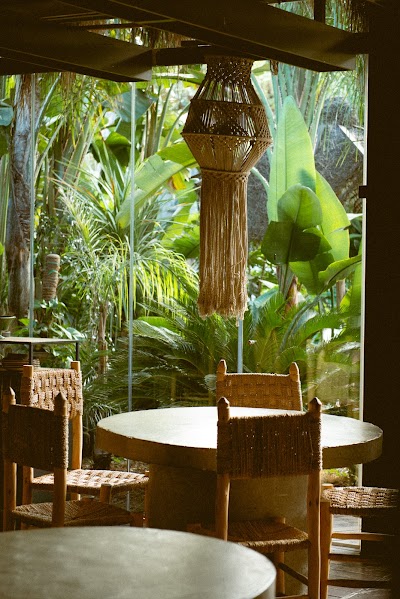
Sanctuary Eco Retreat
An open-air oasis near the Colosseum blending electronic music, wellness, and tropical design elements.
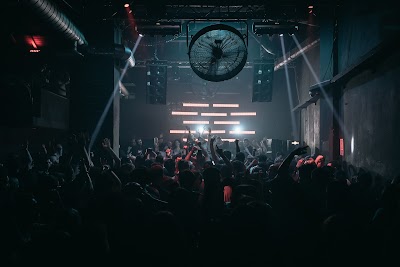
Rashomon Club
Underground electronic venue championing minimal techno and house in a raw warehouse setting.
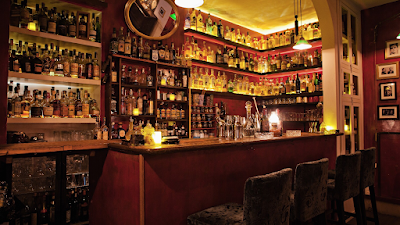
The Jerry Thomas Project
Italy's pioneer speakeasy, requiring a password and reservation, serving meticulously crafted historical cocktails.
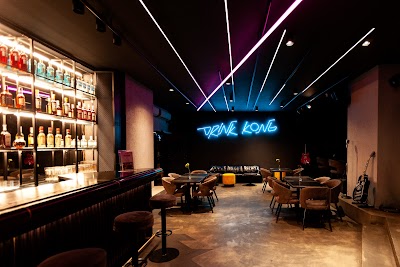
Drink Kong
Ranked among the world's best bars, featuring a futuristic, Blade Runner-inspired neon aesthetic and custom flavor-profile cocktails.
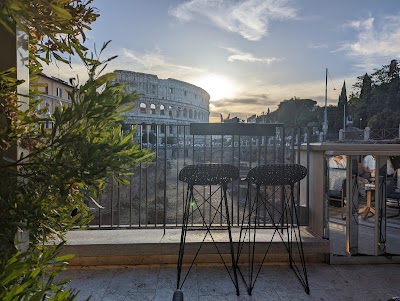
The Court
Located inside Palazzo Manfredi, offering front-row views of the illuminated Colosseum.
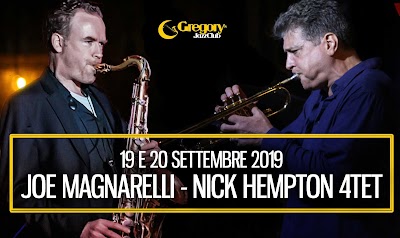
Gregory's Jazz Club
Intimate, wood-paneled jazz sanctuary offering live sets and an extensive whisky selection.
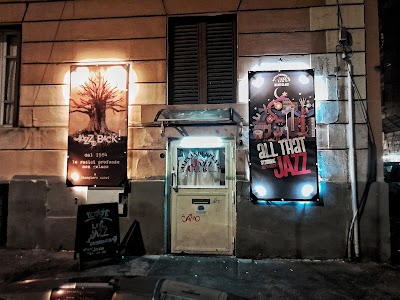
Alexanderplatz Jazz Club
Italy's oldest active jazz club, hosting legendary international artists in a historic basement.

Monk Club
Multi-functional cultural space hosting indie bands, electronic acts, and outdoor summer festivals.
Art & history
Culture
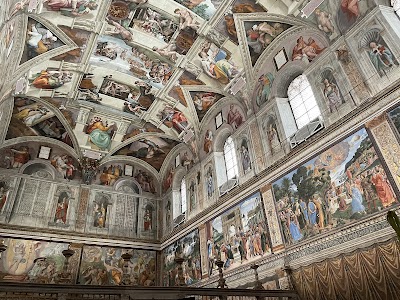
Vatican Museums
Home to the Sistine Chapel and centuries of papal art collections.
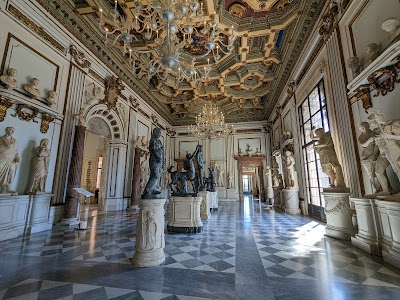
Capitoline Museums
The world's oldest public museum, housing the iconic She-Wolf bronze and colossal statue fragments of Constantine.
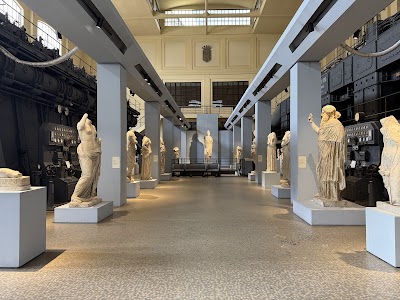
Centrale Montemartini
A striking exhibition of classical Roman sculptures set against the industrial backdrop of a decommissioned power plant.
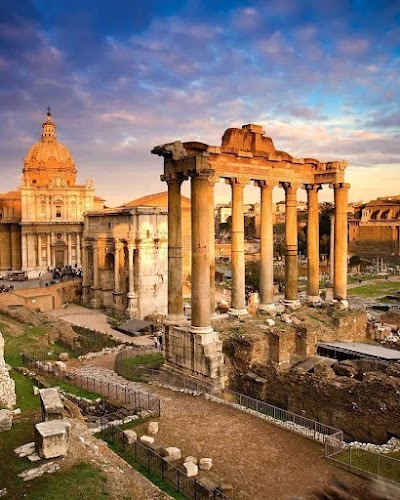
The Colosseum & Roman Forum
The ultimate symbols of imperial Roman engineering and civic life.
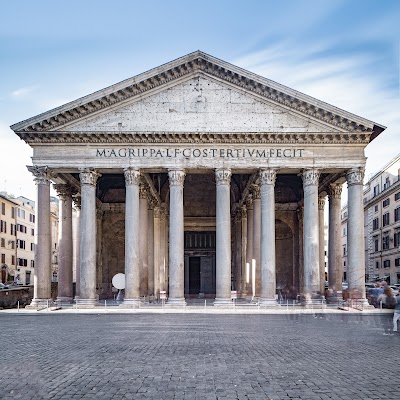
The Pantheon
The world's largest unreinforced concrete dome, featuring a perfect oculus that lets in rain and sunlight.
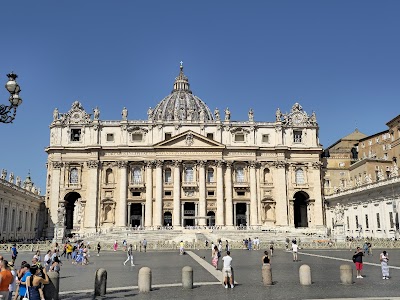
St. Peter's Basilica
The epicenter of Catholicism, housing Michelangelo's Pietà and Bernini's massive bronze baldacchino.
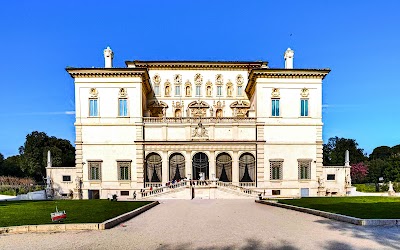
Galleria Borghese
Houses an unparalleled collection of Bernini sculptures, including Apollo and Daphne, and Caravaggio paintings.
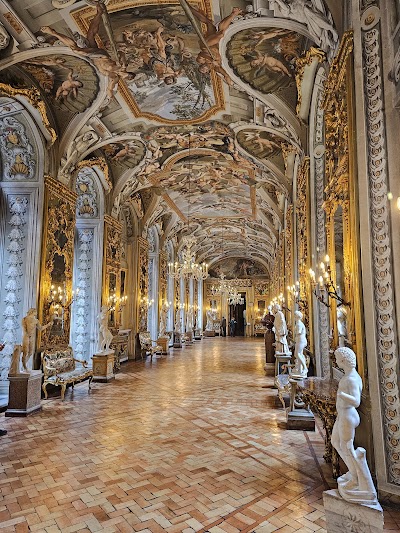
Galleria Doria Pamphilj
A stunning private art collection housed in a lavish, gilded palace still owned by the aristocratic Pamphilj family.
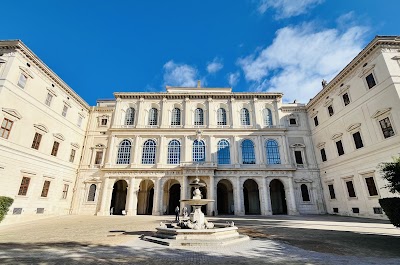
Palazzo Barberini
National gallery featuring masterpieces by Raphael, Caravaggio, and a breathtaking ceiling fresco by Pietro da Cortona.
Timing
When to visit
Spring
April to May brings mild temperatures and blooming wisteria, though Easter week causes a massive spike in accommodation prices and crowd sizes.
Summer
July and August are characterized by stifling heat and high humidity. Many local shops and family-run trattorias close for several weeks in August for the Ferragosto holiday.
Autumn
September to October features warm, golden days and cooler evenings, making it the ideal time for walking, though popular sites remain heavily crowded.
Winter
November to February is chilly and occasionally rainy, but tourist numbers drop significantly, making it the best time to visit major museums without long queues.
What it costs
Budgeting
Logistics
Getting around
From the airport
From Fiumicino Airport (FCO), the non-stop Leonardo Express train runs directly to Termini Station in 32 minutes. From Ciampino Airport (CIA), dedicated shuttle buses connect to Termini in about 40 minutes.
Public transit
The transit network consists of three metro lines (A, B, and C), along with an extensive network of buses and trams. Metro lines A and B intersect at Termini, making it the central transit hub.
Passes & tickets
The Roma Pass (€€ band) offers 48 or 72 hours of unlimited public transit combined with free entry to one or two museums, which is highly cost-effective if you plan to visit the Capitoline Museums or Castel Sant'Angelo.
On foot
The historic center is best explored on foot, as major monuments are clustered relatively close together. However, the uneven cobblestones, known as sampietrini, require sturdy, flat footwear.
Local etiquette
Safety & etiquette
- Dress appropriately when visiting churches; shoulders and knees must be covered for both men and women.
- Do not touch the metal spouts of the public drinking fountains (nasoni) with your mouth; block the nozzle with your finger to redirect the water upward into a clean stream.
- Tipping is not mandatory in restaurants, as a service charge (servizio) or cover charge (coperto) is often included. Leaving €1-2 per person for exceptional service is appreciated but not expected.
Travel smart
Practical tips
- Validate paper transit tickets immediately upon boarding buses or trams to avoid heavy fines.
- Carry a reusable water bottle to fill up at the hundreds of nasoni fountains scattered across the city.
- Avoid restaurants with hosts standing outside waving menus or those displaying photos of the food.
- Visit popular outdoor sites like the Trevi Fountain or Spanish Steps at sunrise to experience them completely empty.
- Be aware that many traditional trattorias close between lunch (around 3:00 PM) and dinner (around 7:30 PM).
- When ordering coffee, pay at the cash register first, then take your receipt to the counter to place your order.
Before you go
Rome FAQs
Can I drink the tap water in Rome?
Yes, the water from the public fountains (nasoni) is cold, clean, and safe to drink.
Do I need to book tickets in advance for major sites?
Yes, major sites like the Colosseum, Vatican, and Galleria Borghese sell out weeks or months ahead.
How do I pay for public transit?
You can tap your contactless credit card directly at the metro turnstiles and on buses.
Is tipping expected in restaurants?
No, tipping is not mandatory; rounding up the bill or leaving €1-2 per person for exceptional service is sufficient.
What is the best way to get a taxi?
Use the FreeNow app or go to a designated taxi stand; do not try to hail a moving cab on the street.