
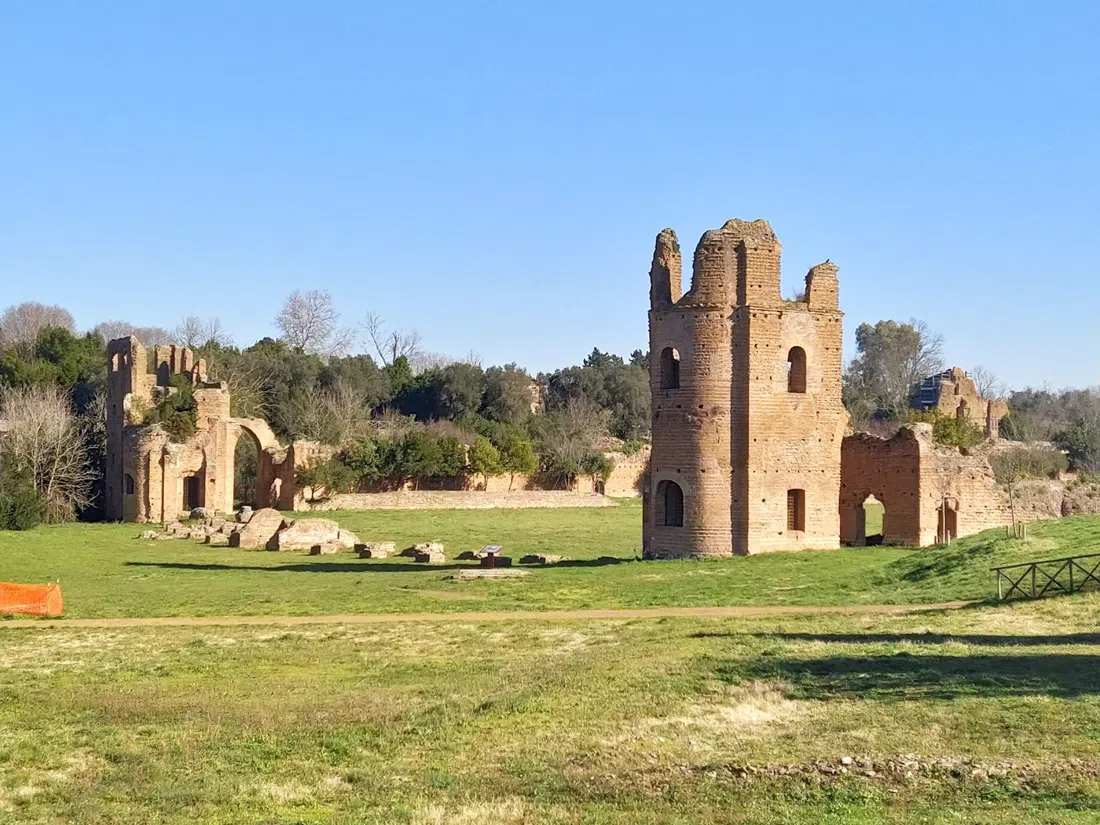
There is a stretch of grass on Rome's southeastern edge where the traffic noise drops away and the horizon fills with brick arches instead of buildings, and on a clear Sunday morning you will find grandparents, students, and dogs sharing the same shade under structures that moved water into the city two thousand years ago. No ticket booth, no queue, no audio guide, just the Aqua Claudia and the Anio Novus striding across a public park that most first-time visitors to Rome never hear about. This is where the city actually spends its Sunday.
The arches that give the park its quiet
Parco degli Acquedotti (Tuscolano, a ten-minute walk from Cinecittà metro) is the reason to make the trip at all. Two of Rome's great ancient aqueducts, the Aqua Claudia and the Anio Novus, run through open countryside here for over a kilometre, their arches still standing in long, broken lines across the fields. It's the same view Grand Tour painters once sketched from this exact ground. The park is free and unticketed, open dawn to dusk every day of the year, and it takes any size of group without booking, which makes it as easy for two people with a bottle of wine as for a school outing. The catch, and it is a real one, is that there is nothing inside the gates beyond grass and arches: no café, no kiosk, no toilets. The designated picnic areas sit directly under and beside the aqueduct lines, which is the whole point, but you need to arrive provisioned. Everything you need for that is a short walk away, in the streets outside the park; more on that below.

Go late morning if you want the classic postcard shot of the arches with nobody in frame, and go early afternoon if you want the park at its most local: after 1pm on a Sunday, family groups spread out with folding chairs and the pace slows right down. The light is best in the two hours before sunset, when the brick goes the colour of the aqueducts' original terracotta lining, but that is also when the park fills up fastest, so plan around one or the other rather than both.
A softer green next door
If the aqueduct park is the postcard, Parco della Caffarella is the version locals keep to themselves. It sits in the same regional park system, a short walk from the arches, and swaps ruins-in-a-field for something closer to genuine countryside: this is a working sheep pasture inside the city limits, and on a good day you will hear the flock before you see them. It is free, open all day, and fine for groups, but picnicking and barbecuing are only permitted in the designated spots, which are clearly marked and worth finding before you unpack. I come back to the Caffarella specifically because it does something the aqueduct park can't: it slows the whole outing down. Where the Acquedotti park is about the view, the Caffarella is about the walk: winding paths, a working landscape, and none of the structure of a monument. Pair the two and you get a full pastoral loop without ever buying a ticket.
Provisioning before you walk in
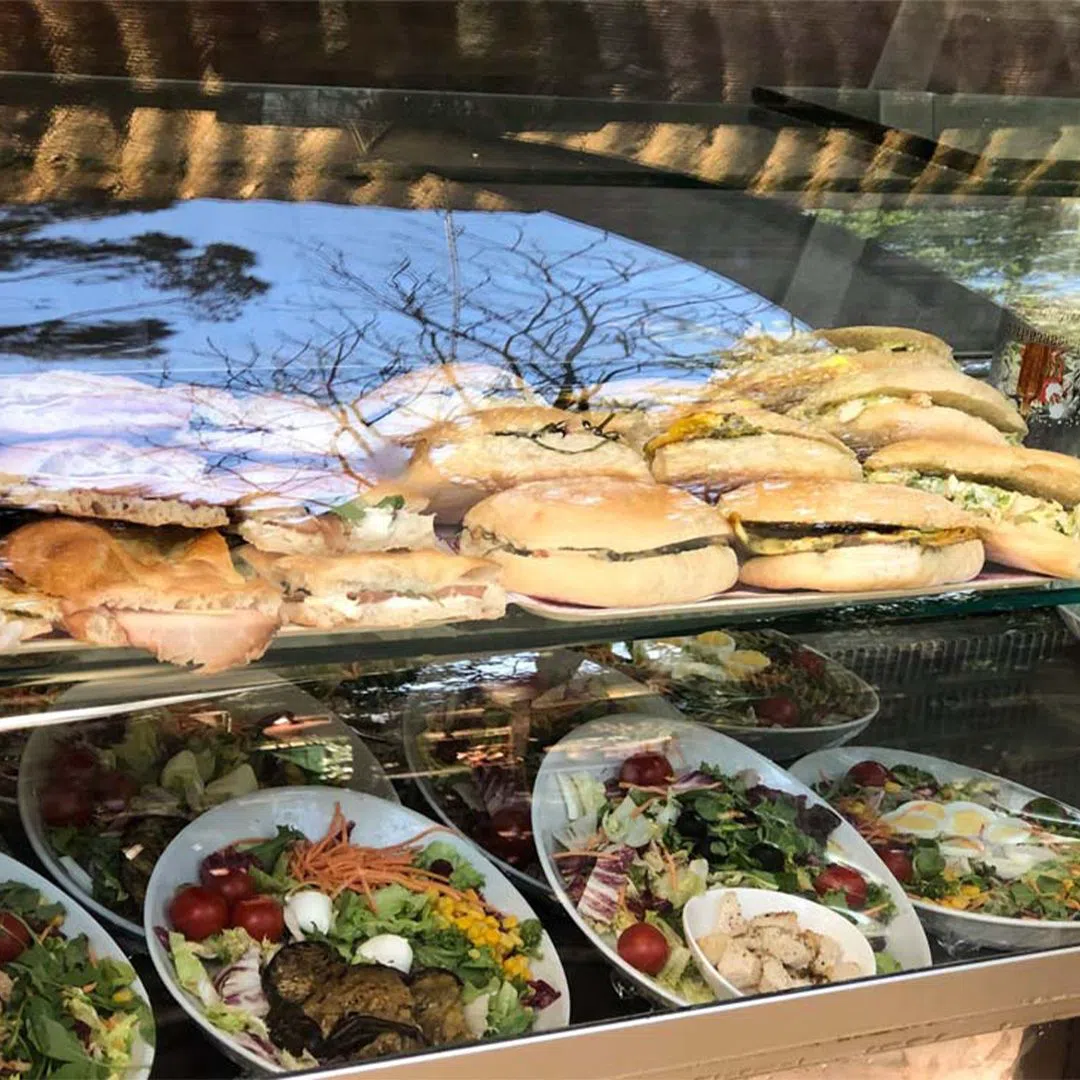
Since neither park sells so much as a bottle of water, the streets around Cinecittà metro do the job instead, and doing this properly is most of the difference between a good picnic and a mediocre one. Pizzhoria (on the walk in from Cinecittà metro) is the single most useful stop on this itinerary: a pizza al taglio counter that will cut and box a mixed tray to order, which is exactly what a group needs when nobody wants to agree on one pizza. It's counter service only, cheap, and built for exactly this kind of takeaway run — go in, point at what looks good, and walk the rest of the way to the park with a warm box under your arm.

If your afternoon is going to drift toward the Appia Antica side of the park system rather than stopping at the aqueducts, Appia Antica Caffè (on Via Appia Antica, near Circo di Massenzio) is worth building the day around instead. It explicitly takes school and tour groups, has garden seating for a proper sit-down lunch break, and doubles as a bike rental point, so it works as a staging post if the picnic turns into an afternoon ride down the Appian Way. It's open daily except Monday, priced from a coffee and pastry (€) up to bike hire by the hour or day (€€).
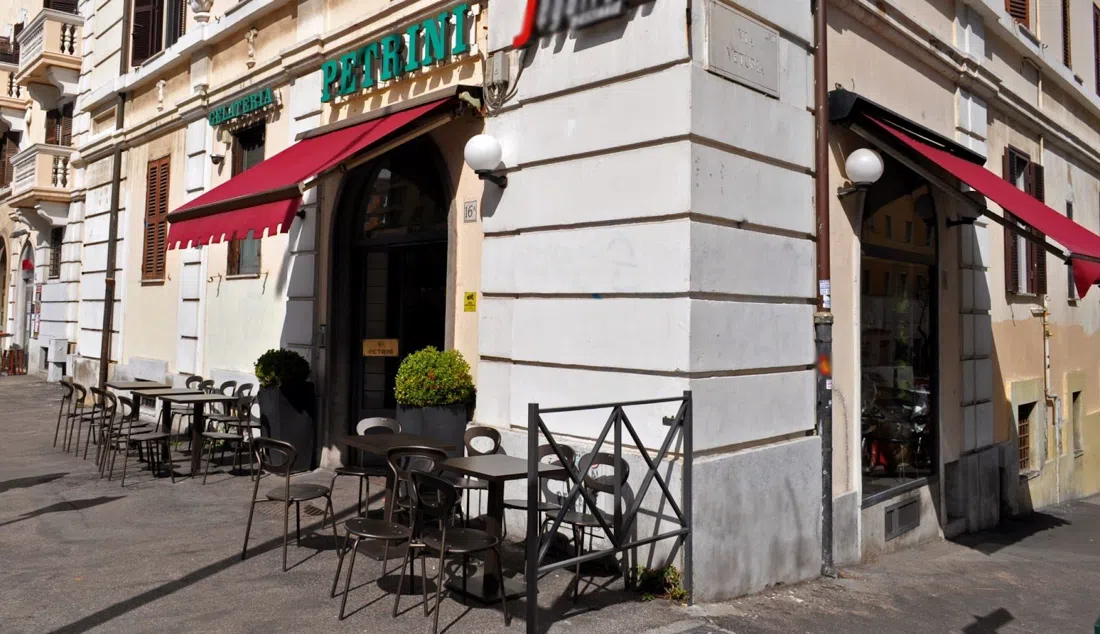
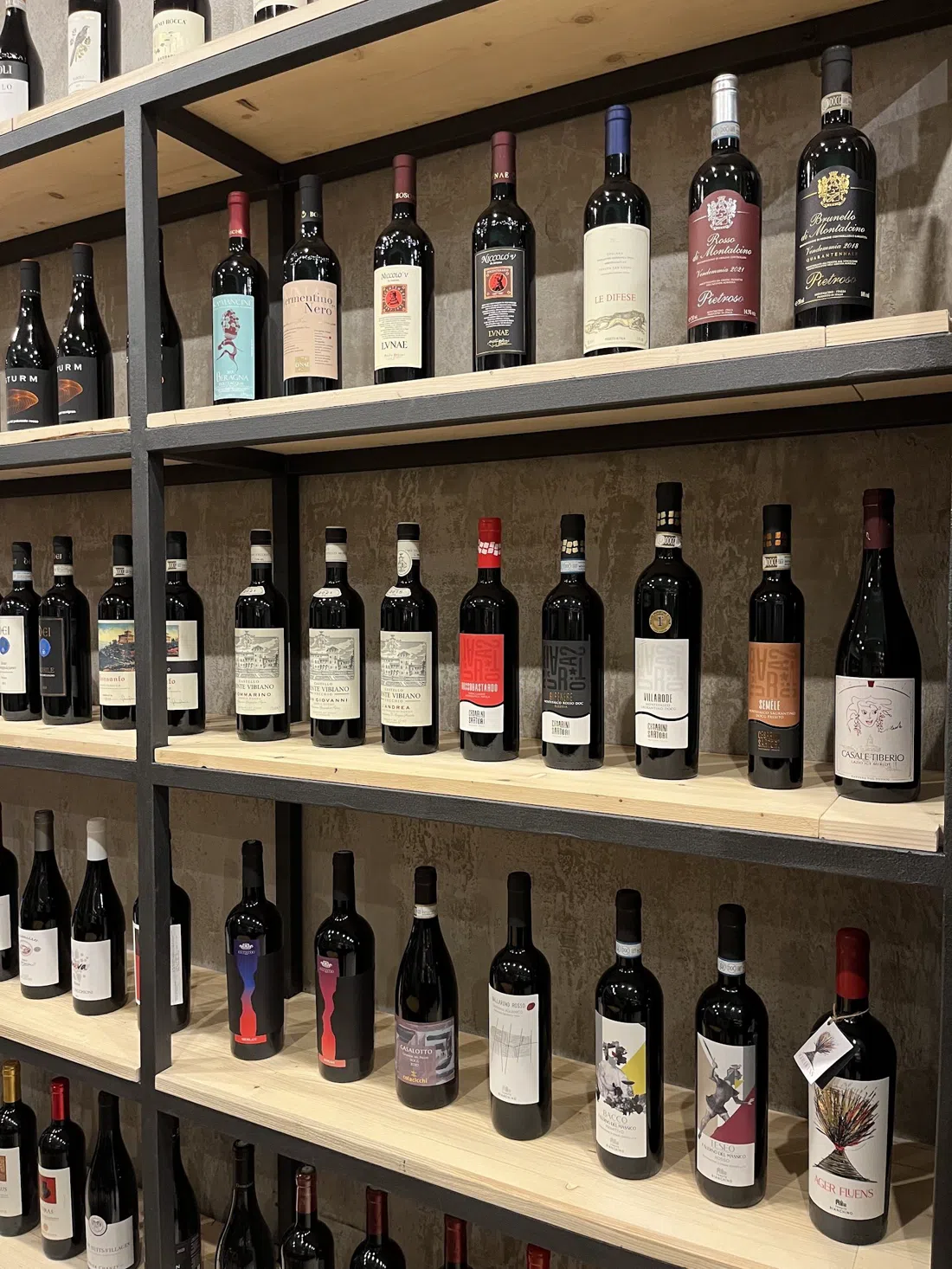
For the evening version of this same walk, Enoteca Appia (Via Appia Antica) is the move once the light starts to go: a casual, walk-in wine bar that sells bottles da asporto (to carry out), so you can pick something up and drink it in the park, or wait until the kitchen opens at 18:00 and eat there instead. It's fine for small groups, mid-range (€€), and closed on Tuesdays, so check the day before you build it into a plan. And if you're heading back out via Appia Nuova rather than straight to the metro, Gelateria Petrini makes a good closing stop: a walk-in counter a couple of kilometres off the park itself, no seating pressure, cheap, and best treated as the reward at the end of the walk rather than a stop inside the park proper.
Extending the afternoon onto the Appia Antica
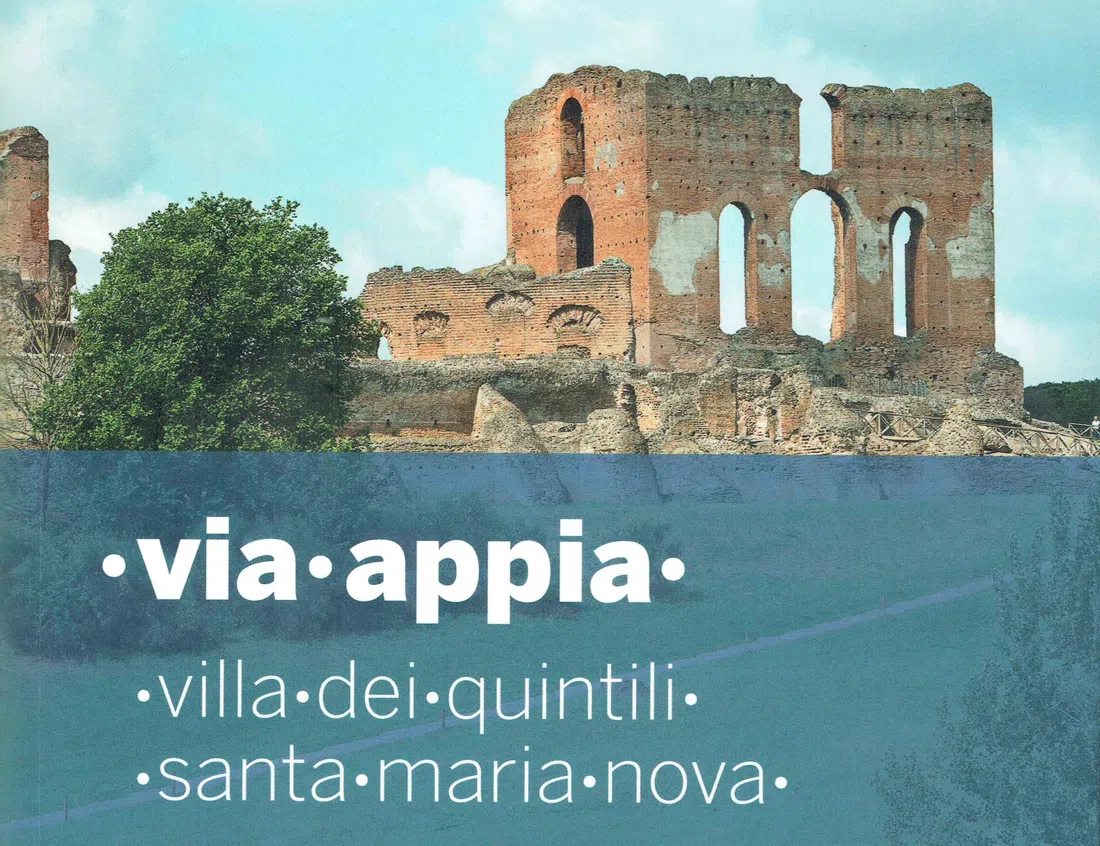
Once you've done the aqueducts, the wider Appia Antica archaeological park is close enough to fold into the same day, and it solves the exact problem this itinerary is built around: seeing serious Roman engineering and history without the queues that define the Colosseum or the Forum. Villa dei Quintili e Santa Maria Nova (Via Appia Antica) is the one I send people to first. It's the quietest of the big Appia ruins, a genuine Roman aristocrat's country estate rather than a single monument, and it needs no booking for an individual or family visit. Entry is €5 (€2.50 reduced), the first Sunday of every month is free, and it's covered by the 3-day Appia Antica combined ticket if you're planning to see more than one site. It does close on Mondays, so this only really works as a Sunday plan, which suits the picnic anyway.
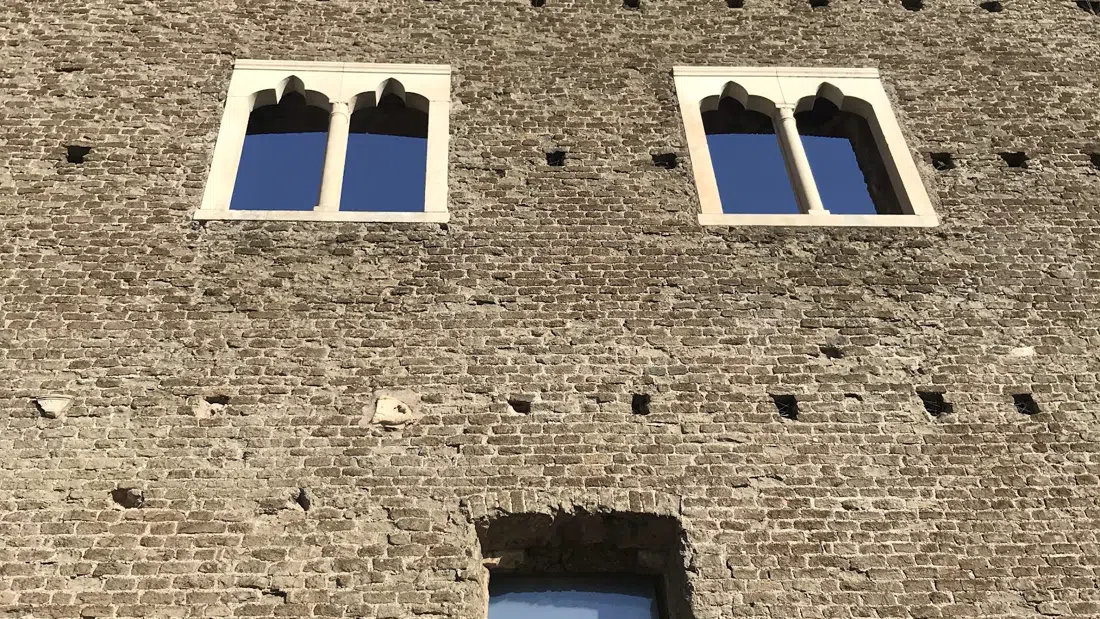
Further along the same road, Mausoleo di Cecilia Metella e Castrum Caetani is the classic bookend for anyone extending the walk onto the Appia Antica proper: a Roman tomb repurposed as a medieval fortress, standard timed entry, no complicated booking, priced €5 to €10 on the same combined ticket system. Near it, Circo di Massenzio, the ruined chariot-racing stadium, makes the same pitch as the aqueduct park itself: real, monumental Roman engineering with none of the Circus Maximus crowds, general entry with no booking required, same €5 to €10 combined pricing.
Two ways underground
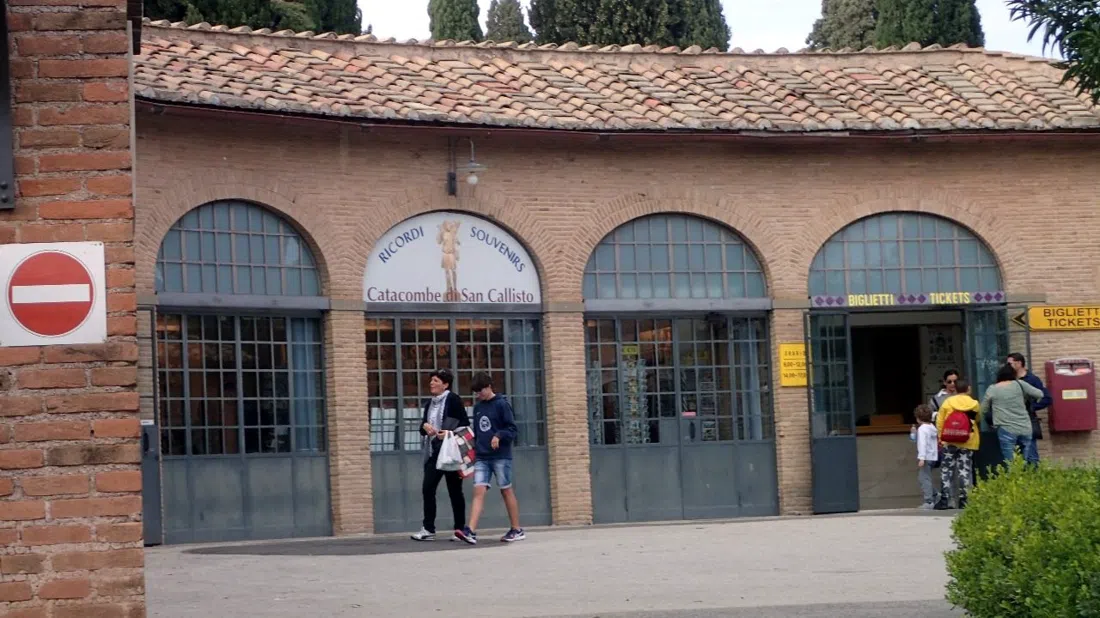
If the group wants a contrast to all that open sky, the Appia Antica corridor holds two of Rome's best catacomb complexes, and they are different enough from each other to be worth naming separately rather than treating as interchangeable. Catacombe di San Callisto is the more group-friendly of the two: it's guided-only, but groups of 2 to 15 can book directly online, and larger parties go through a reservation form, which makes it genuinely workable for a coach group as well as a couple wanting a 45-minute detour. Entry is €10 for the standard adult guided ticket. A few minutes further down the road, Catacombe di San Sebastiano runs its own guided tours in timed slots every 30 to 45 minutes, under a different custodial order with different tunnels and different relics from San Callisto. It's worth including both only if your day has room for it, since the two are genuinely distinct rather than a repeat of the same experience. Groups of 35 or more get two free tickets on a full-price purchase, and the standard adult ticket is also €10.

Renting wheels for the rest of the day
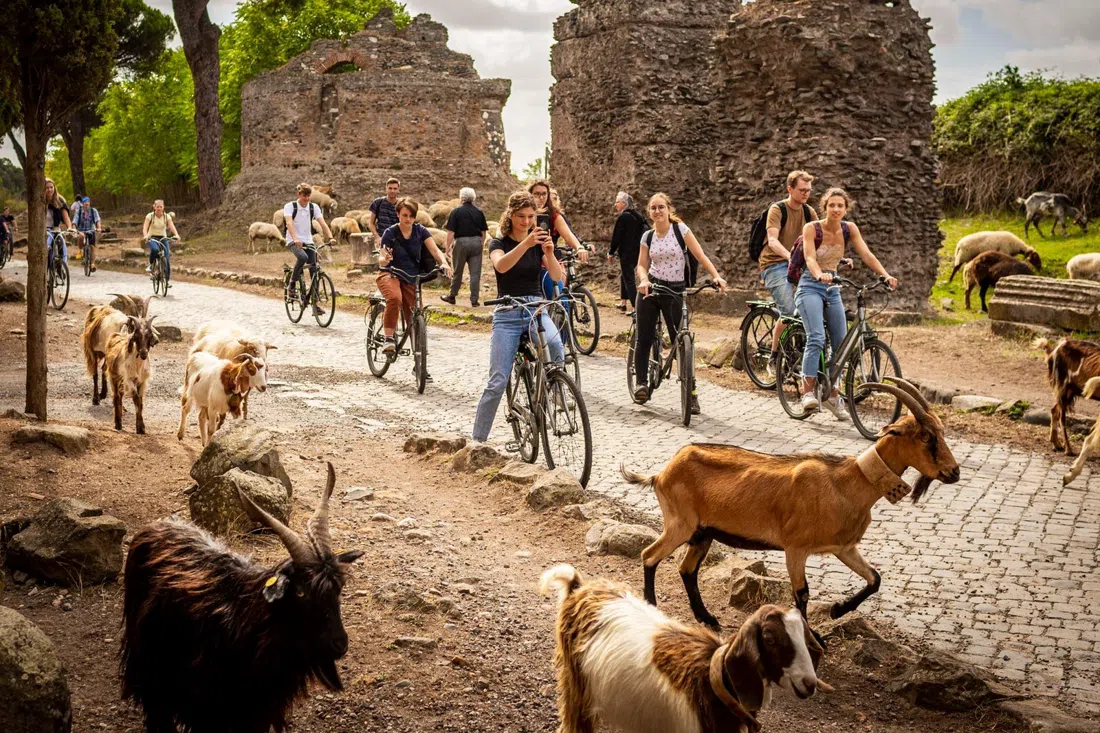
The Appia Antica park rewards a bike more than a car, largely because the old Roman paving and the narrow verges make walking the full length slow going. Centro Servizi Appia Antica, run as the park authority's own EcoBike point rather than a third-party operator, is the one worth naming specifically: it handles families, school groups, and private guided-tour bookings, and covers helmets, child seats, and route maps as standard, which the informal rental stands generally don't. Pricing runs from an hourly rate (€) up to a full-day e-bike hire (€€). As above, Appia Antica Caffè offers the same service at its own counter if you'd rather combine the bike pickup with lunch.
Getting there, timing it right, what to bring
The Metro A line to Cinecittà is the simplest route into Parco degli Acquedotti: from the station it's a walk of around ten minutes, passing Pizzhoria and the other picnic-provisioning stops on the way in. For the Appia Antica sites further south, the 118 or 218 bus from central Rome runs the length of the old road; there's no metro stop directly on the Appia Antica itself. If you're staying centrally for the trip, a Rome hotel search is worth doing with this side of the city in mind: anywhere near the Appia line or a direct bus route saves a fair amount of Sunday morning.
Bring cash in small denominations: Pizzhoria and the smaller counters along Appia Nuova are far more comfortable with coins and small notes than cards, and neither park has an ATM inside its gates. A Sunday works best as the anchor day for this whole plan: Villa dei Quintili's free-entry Sunday, the Caffarella's quietest hours, and the general slower pace of the neighbourhood all line up on it, though remember it also closes Villa dei Quintili's neighbours on the following Monday, so don't try to stretch the same itinerary across the weekend. Budget for a picnic and one or two paid sites: a tray from Pizzhoria and drinks will run under €20 a head, and the €5 to €10 combined Appia Antica ticket covers most of the ruins in one purchase. For more on the rest of the city while you're here, the Rome guide covers what's worth pairing this with on the days either side.