Around six every evening, without a whistle blown or a notice posted anywhere, Rome empties its apartments onto the street. This is the passeggiata — not a performance staged for tourists but a civic habit older than the country itself, the hour when the city stops working and starts walking, watching, and quietly being watched in return. Follow the route Romans actually use, start to finish, and it stops being a mystery why no other city stages this particular ritual with the same theatre.
Where It Starts: Piazza del Popolo and the View Before the Walk
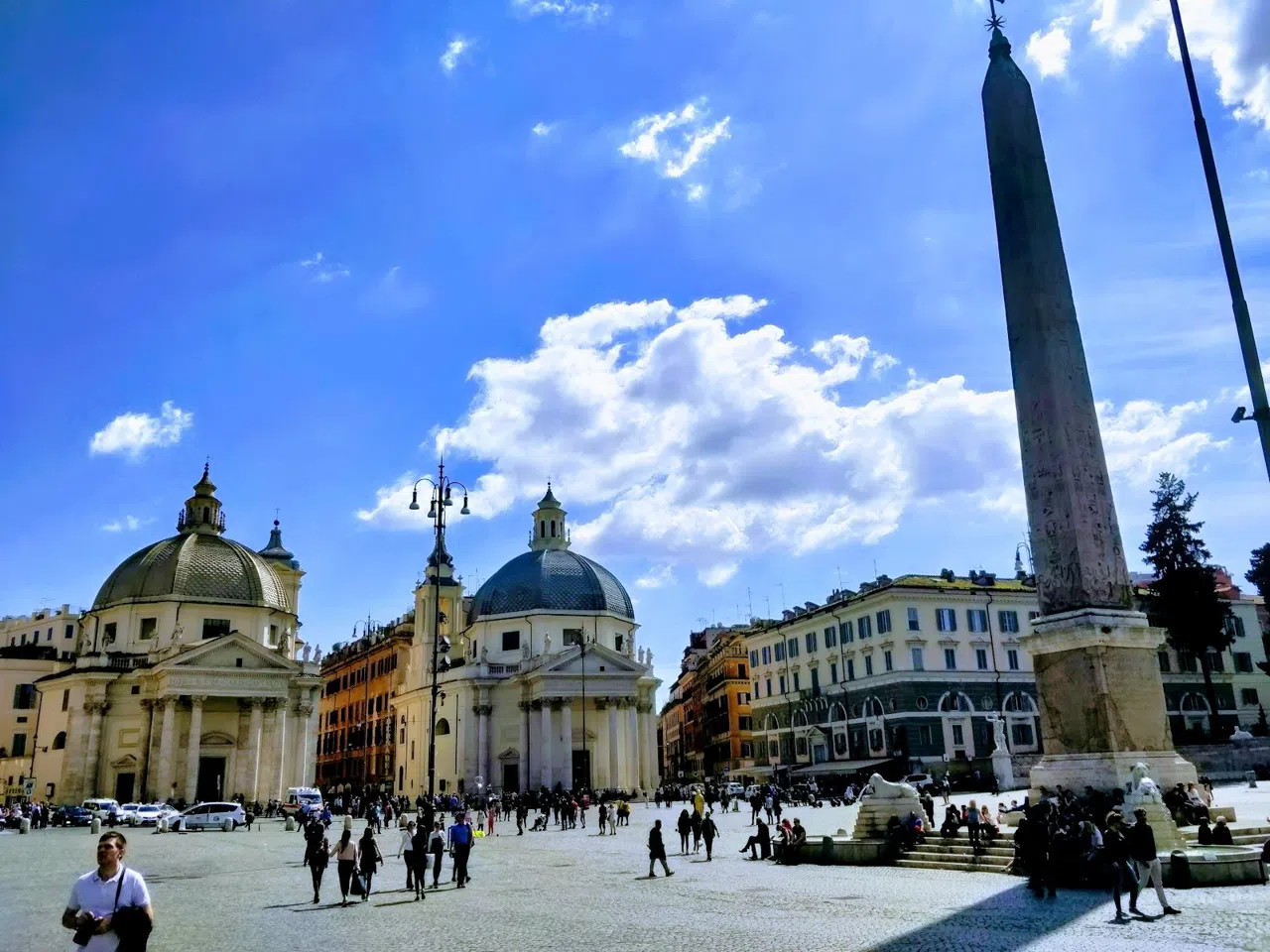
Piazza del Popolo (Piazza del Popolo/Flaminio) is where the passeggiata has begun since the piazza's Valadier redesign in the early 1800s gave Rome its grand northern gate. It's a fully open public square with no door policy and no ticket, which makes it the obvious muster point if you're gathering a group before setting off — there's room to regroup, no queue to fight, and it's free. Most evenings you'll see clusters of Romans doing exactly that: meeting friends by the obelisk before deciding which way the night goes.
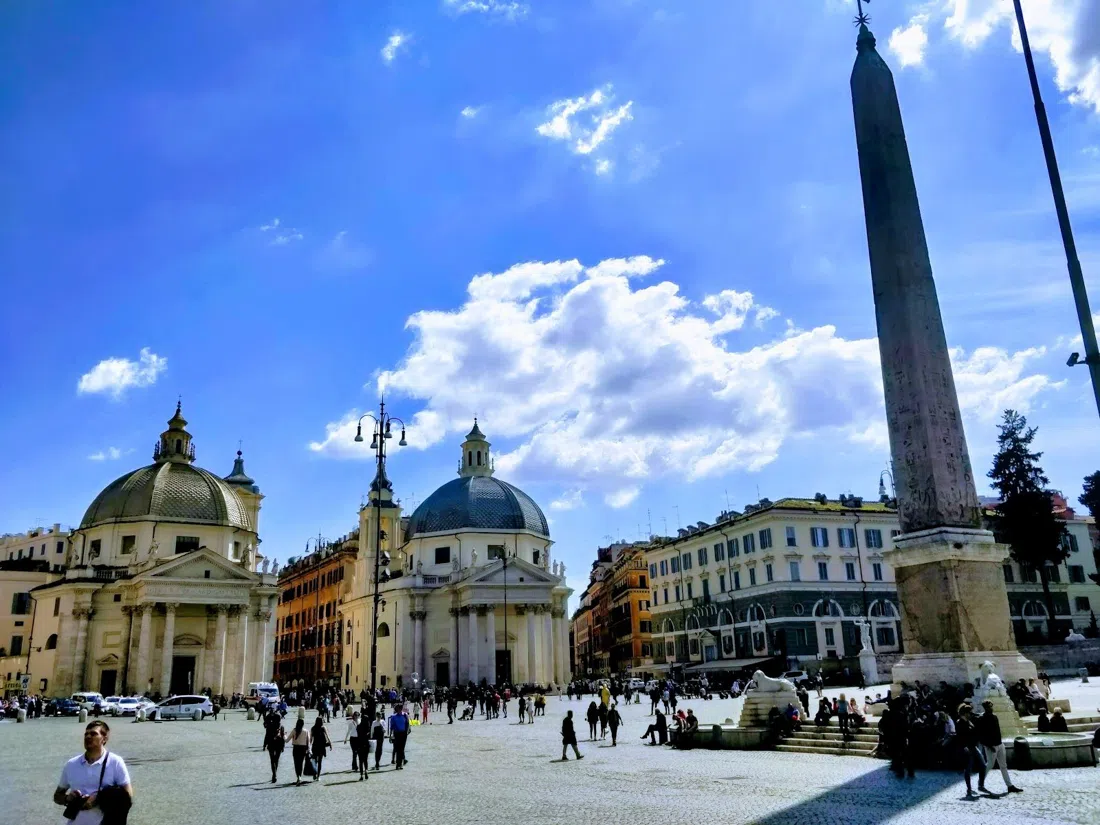
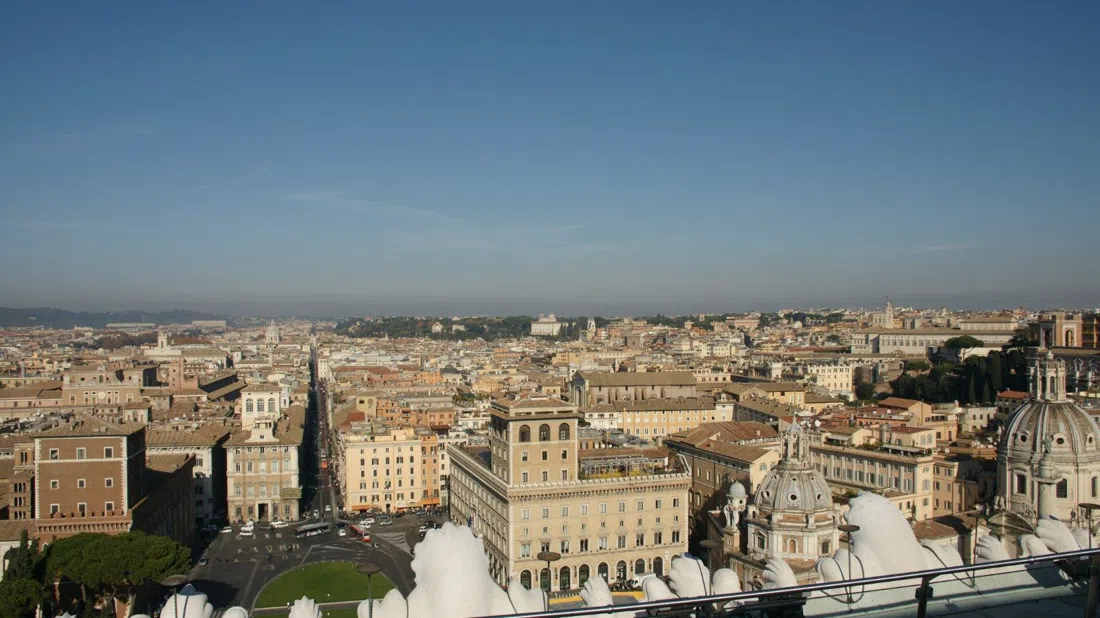
Before dropping into the crowds below, most locals climb first. Terrazza del Pincio (Pincio/Villa Borghese), reached by a short set of ramps at the piazza's southeast corner, is open around the clock and costs nothing. It's the ritual within the ritual — Romans come up here specifically for the sunset over St Peter's dome before heading back down to join the Corso. There's ample balustrade for a group to spread out along, so this isn't a spot that gets awkward with numbers; arrive twenty minutes before sunset if you want an unobstructed rail spot, because everyone has the same idea.
Down the Corso to the One Splurge Stop
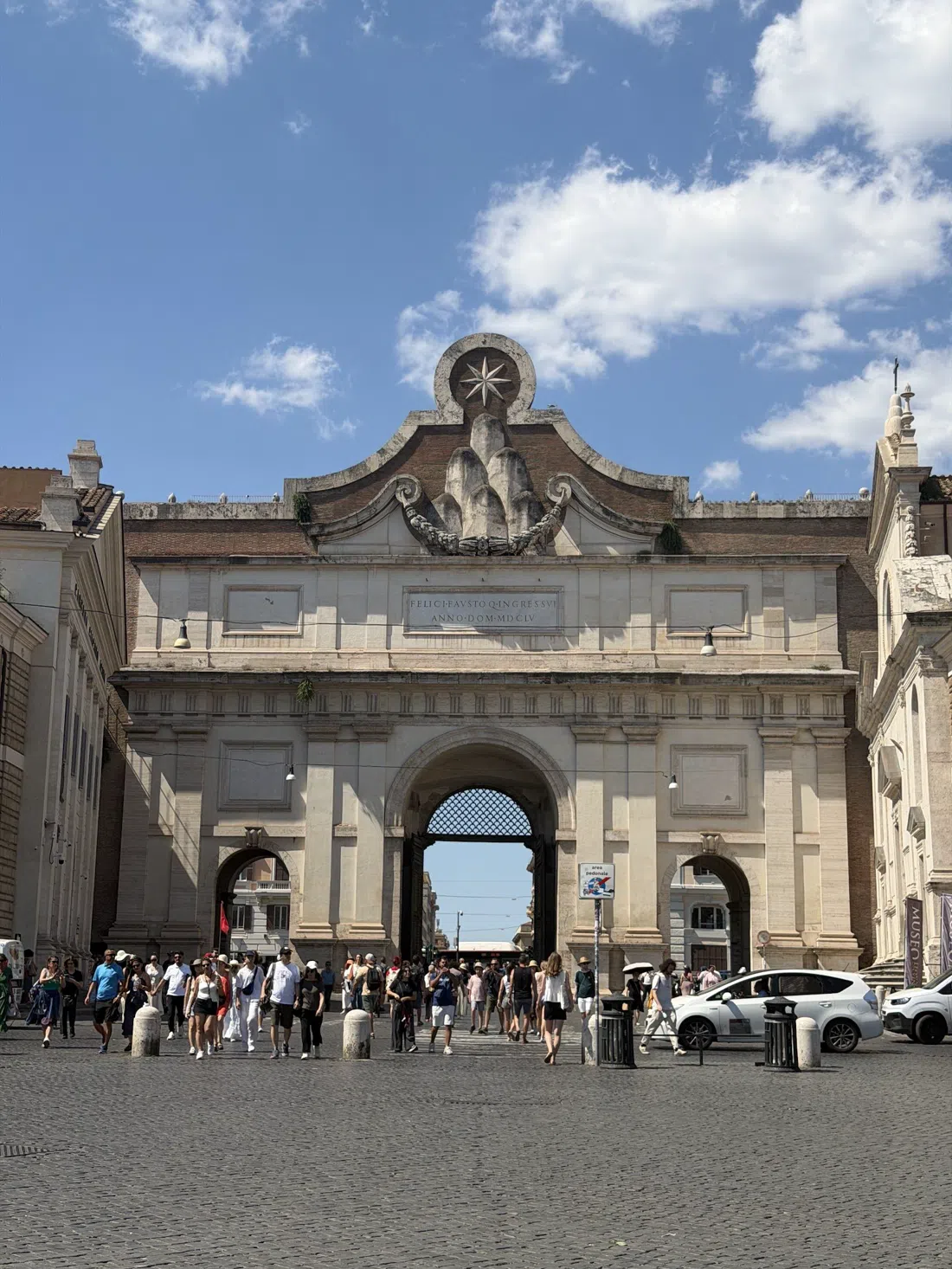
From the piazza, the walk drops onto Via del Corso (Centro Storico), the ritual's namesake artery and the reason the word "passeggiata" means what it means in Rome. This is literally where the evening promenade took civic shape, and it still runs shoulder-to-shoulder most nights — a public street with unlimited capacity, so it's the one stretch of the route where a large group won't cause friction with anyone.
Two minutes off the Corso, down Via del Babuino, sits the one place on this route worth booking ahead and paying up for. Stravinskij Bar, inside the Hotel de Russie (Via del Babuino), is a hidden garden terrace favoured by Rome's old-money crowd for the pre-dinner spritz, and it fills fast in summer — reserve for small groups, dress smart-casual, and expect cocktails from €22. It isn't a strict-door venue, but showing up unannounced on a warm Friday means you're probably not getting a table.
Back on the walk, the Spanish Steps (Piazza di Spagna) remain the theatrical set-piece everyone still stops for, but the rules changed in 2019: sitting, eating, or drinking on the steps is now banned, with fines up to €400, and guards actively enforce it. Tell your group in advance — this is a look-don't-linger stop now, not a place to picnic with a gelato. A block away on Via del Babuino, Canova Tadolini (Via del Babuino) is the odd, photogenic detour worth the small diversion: a sit-down café and restaurant, happy to take group bookings, where coffee is served among the actual working plaster models of Antonio Canova's atelier. Expect €€€ prices for the setting.
Trevi After the Ticket Booth Closes, Then Gelato
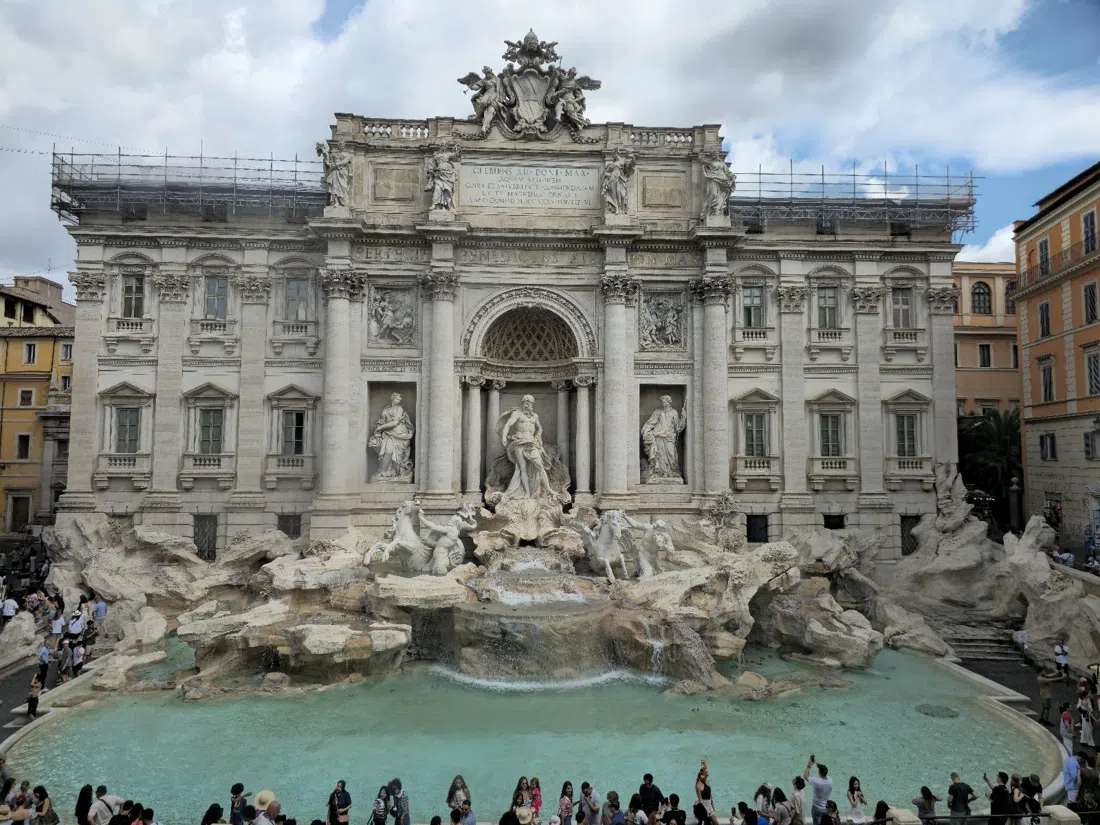
Cut back east and the walk arrives at the Trevi Fountain (Trevi), which most visitors see wrong by arriving mid-afternoon. A €2 ticket controls access to the closest basin steps between 09:00 and 21:00, but once that booth shuts, the barrier lifts and the piazza is free and open again from 22:00 through to 08:00 — with a fraction of the daytime crowd and the fountain lit at its most atmospheric. If your evening has any flexibility, push the Trevi stop past 9pm.
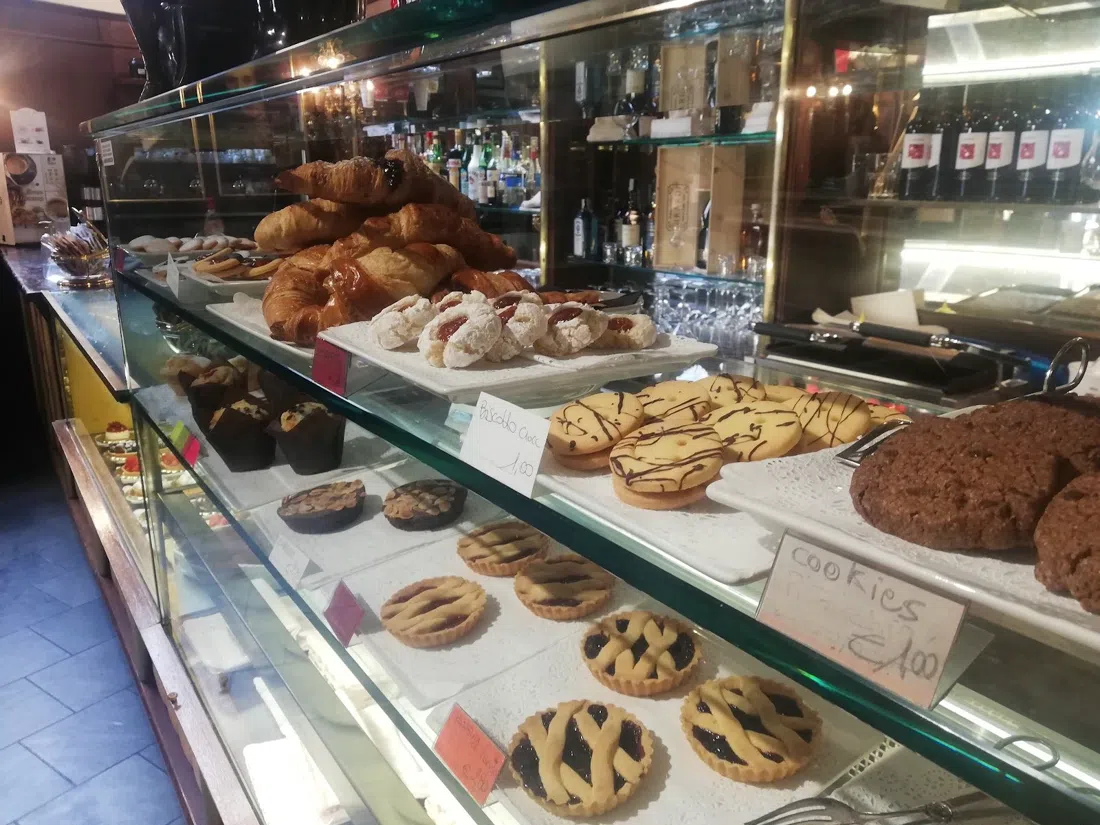
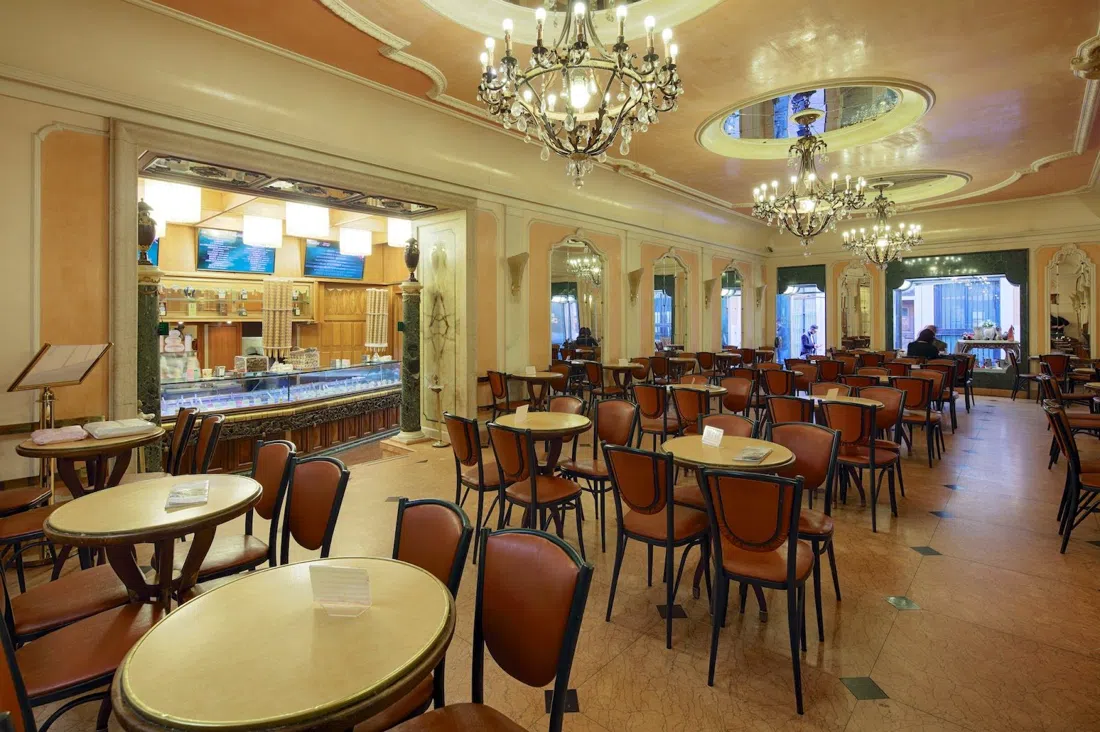
No passeggiata is complete without gelato, and the obligatory stop is Giolitti (near the Pantheon/Piazza di Pietra), Rome's oldest working gelateria, run by the same family since the 1900s. It's counter-service and built to handle a crowd — a group of a dozen won't slow the line down — and it stays open until 01:30 daily, which means it never forces you to break the rhythm of the walk to fit its hours. Expect €3–6 a cone.
Navona's Theatre and a Quieter Detour
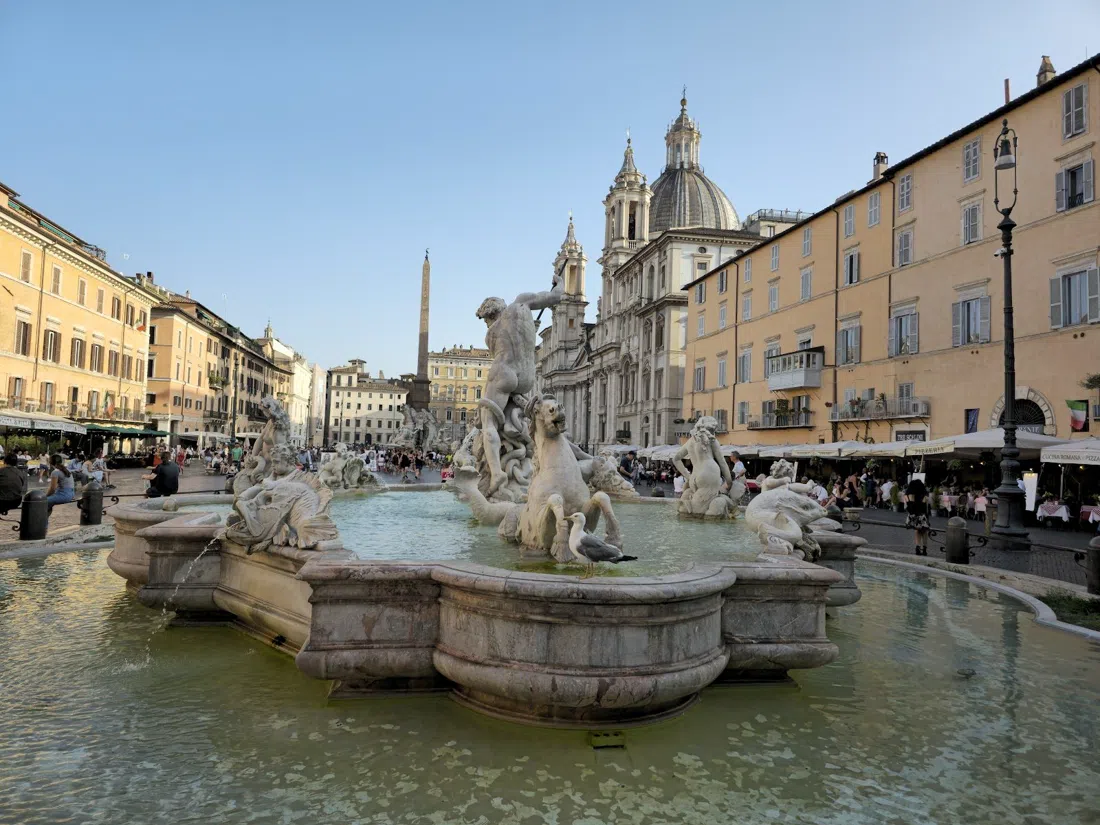
Walking west brings you to Piazza Navona (Piazza Navona), the single largest-capacity piazza on the whole route and the evening's second real set-piece: fountains lit from below, live music drifting between the cafés, caricaturists working the crowd, and terraces spilling out into the open space. It's open all night, free to simply walk through, and easily absorbs a large group without anyone feeling squeezed.
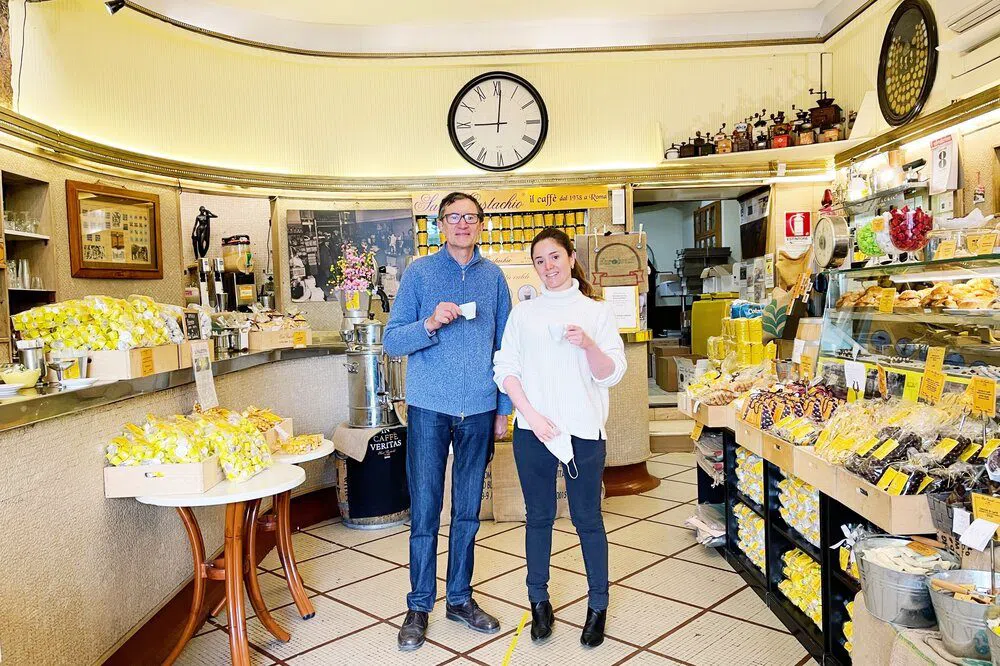
For a change of register, duck onto Via dei Coronari (near Navona), a pedestrian street that's been a pilgrim's route since medieval times and is now Rome's antiques row. There's no restriction on numbers, but the appeal here is quiet — it's the deliberate counterpoint to Navona's noise, and it's genuinely nicer walked slowly by two or three people than shepherded as a group of fifteen. If you want a coffee that stands apart from the tourist cafés nearby, Caffè Sant'Eustachio (Sant'Eustachio) is a stand-at-the-bar institution serving a pre-sweetened, thick-foamed espresso made by a technique the house still won't reveal — quick turnover, so groups can move through fast, at €2–4 a coffee.
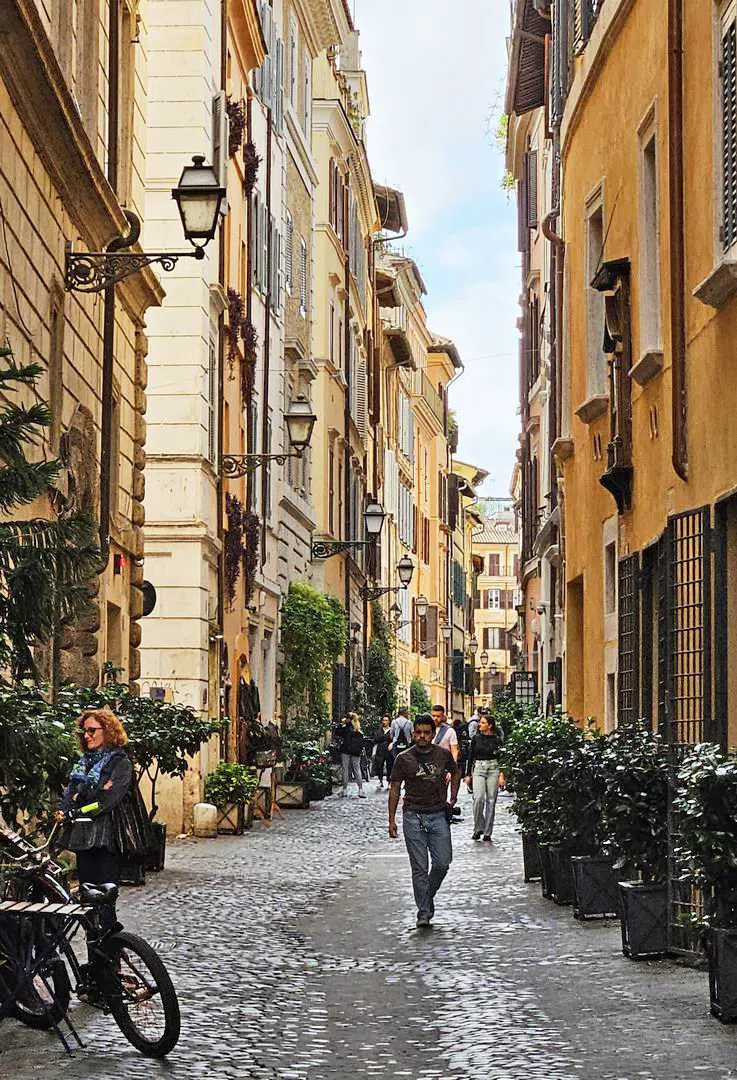
Crossing the River: Campo de' Fiori to Trastevere
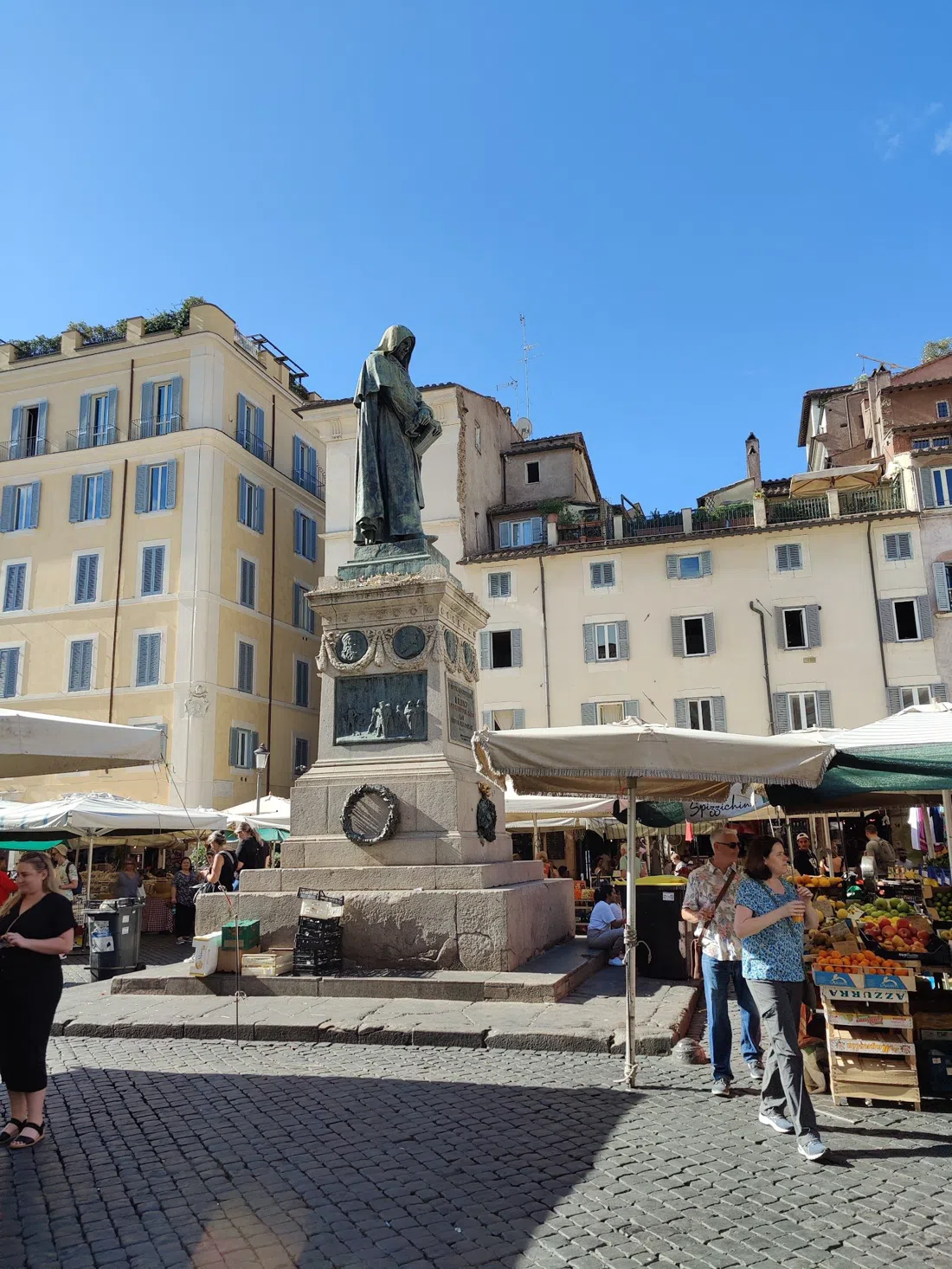
South of Navona, Campo de' Fiori (Campo de' Fiori) trades the market stalls of daytime for one of Rome's densest aperitivo squares by night, and it skews noticeably younger and livelier than anything back on the Corso — this is where student and young-traveller groups gather from around 18:00 onward for a spritz at €8–12. It's an easy, informal stop with no door to worry about.
From there, the walk crosses the river along Ponte Sisto and Isola Tiberina (linking Centro Storico and Trastevere), an open, unrestricted pedestrian route that carries the evening's rhythm across the water. It's at its best from June through August, when the Lungo il Tevere festival takes over the riverbanks with stalls and music running from 19:00 to 02:00 — worth timing your crossing around if you're walking in summer.
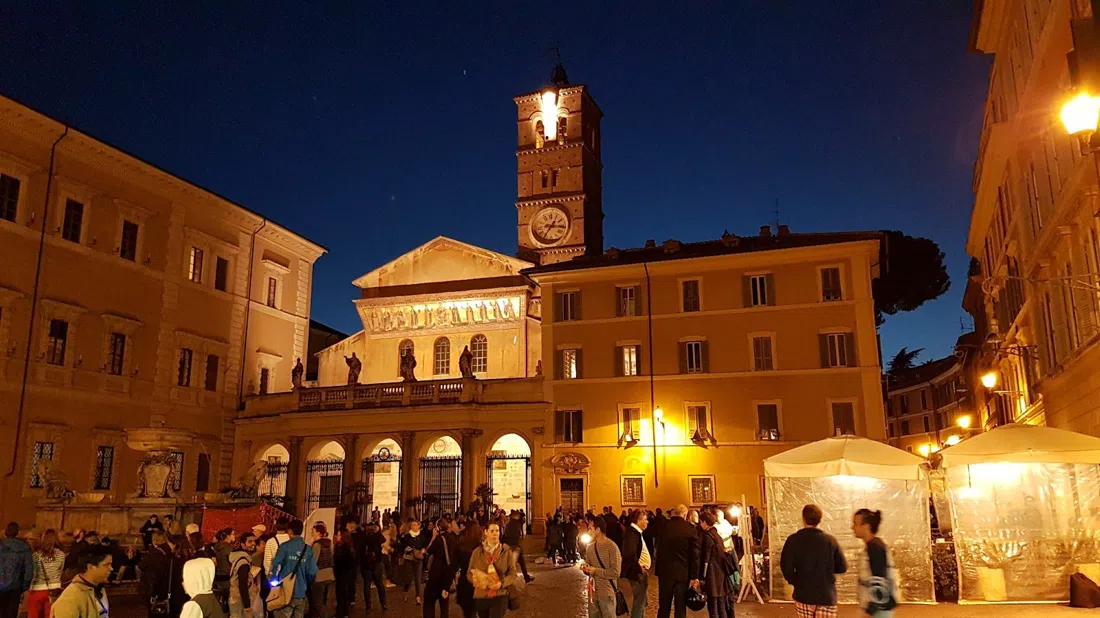
On the far bank, Piazza Santa Maria in Trastevere (Trastevere) is the passeggiata's natural climax on this side of the river — an open square where the fountain steps double as the neighbourhood's living room every single night, locals and visitors mixed in without any real separation. It's informal, group-friendly, and free, and it's worth simply sitting for twenty minutes rather than rushing through.
The Climb for the View, and a Nightcap Away From the Crowds
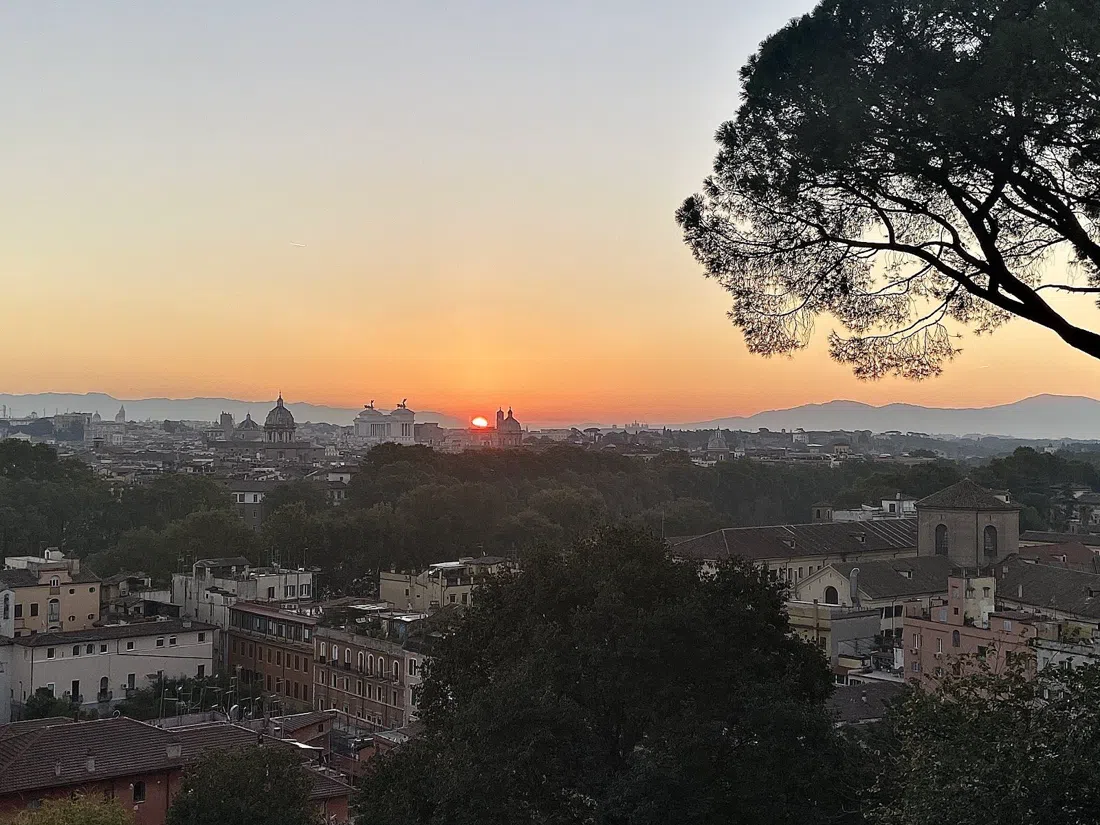
For those with the legs for it, Terrazza del Gianicolo (Gianicolo hill, Trastevere) is the wide-shot closer to the whole evening — a steep climb up from Trastevere's streets that rewards you with the best rooftop-free panorama of everywhere you've just walked, ideally reached in the hour before sunset if your evening started later than most. It's open and unrestricted, but it is genuinely a climb, so plan for a group that's comfortable with stairs and slopes rather than one expecting a flat stroll.
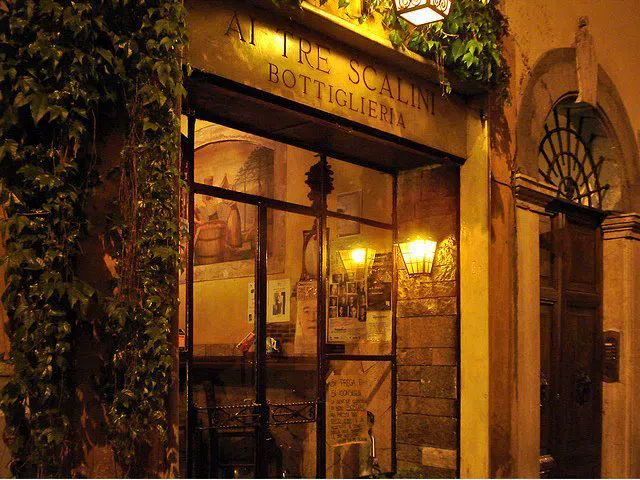
If the night still has room for one more stop, skip the tourist spine entirely and head to Monti instead, where Ai Tre Scalini (Monti) has been run as a neighbourhood wine bar since 1895. It takes no reservations and is standing-room and informal — fine for two or three people willing to wait for space at the bar, harder going for a large party. Wine runs €6–12 a glass, and it's the honest, unpolished way to end a night that started in one of the grandest piazzas in Europe.
Practical Notes
Transport: the whole route from Piazza del Popolo to Trastevere is walkable end to end in a single evening, roughly 4–5km depending on detours, and no single stretch requires a taxi or transit — the point of the passeggiata is that it's done on foot. If you're starting from a hotel, check the Rome hotel search for something within walking distance of Piazza del Popolo or the Trevi area, since it saves you bookending the walk with cab rides.
Cash: most stops here take cards, but the smaller counters — Giolitti, Sant'Eustachio, Ai Tre Scalini — move faster with a bit of cash on hand, and the Trevi basin-access ticket booth (before 21:00) is cash-and-card both.
Timing: begin at the Pincio around 90 minutes before sunset if you want the terrace view, then let the Corso crowds build naturally from 6pm onward. Push the Trevi Fountain stop past 9pm for the free, thinner-crowd version, and don't plan the Spanish Steps as a sit-down rest stop — it isn't one anymore.
Budget: a no-frills version of this walk (gelato, a couple of coffees, one aperitivo) runs €20–30 a person. Add the Stravinskij Bar detour and a proper aperitivo at Campo de' Fiori and it's closer to €50–70. None of the walking itself costs anything — every piazza and viewpoint on this route is free to enter, any hour. For the rest of what's open around the city this season, the Rome guide has the wider picture.